Wedgewood-Houston's Median Home Price Depends on Which Wedgewood-Houston You Mean
August 27, 2026
August 27, 2026
Search for the median home price in Wedgewood-Houston and you'll have an answer in seconds. Search again on a different site and you'll get another answer, sometimes off by more than $400,000, for what both sites insist is the same neighborhood in the same stretch of 2026. Neither number is wrong. They're each describing a different slice of a neighborhood that has stopped being one market and started being three or four.
As of July 2026, one portal's multi-family category puts the median Wedgewood-Houston home price at $674,450, with a separate median sale price of $650,000 that it reports as up 16 percent year over year. Around the same time, Redfin's tracking shows a median sale price of $565,000, down 7.4 percent year over year, and an average house price of $427,000, down 10 percent. A trailing twelve-month tally covering the year ending in early 2026 lands in between at $585,000, drawn from sales that ranged from $249,000 to $3.4 million.
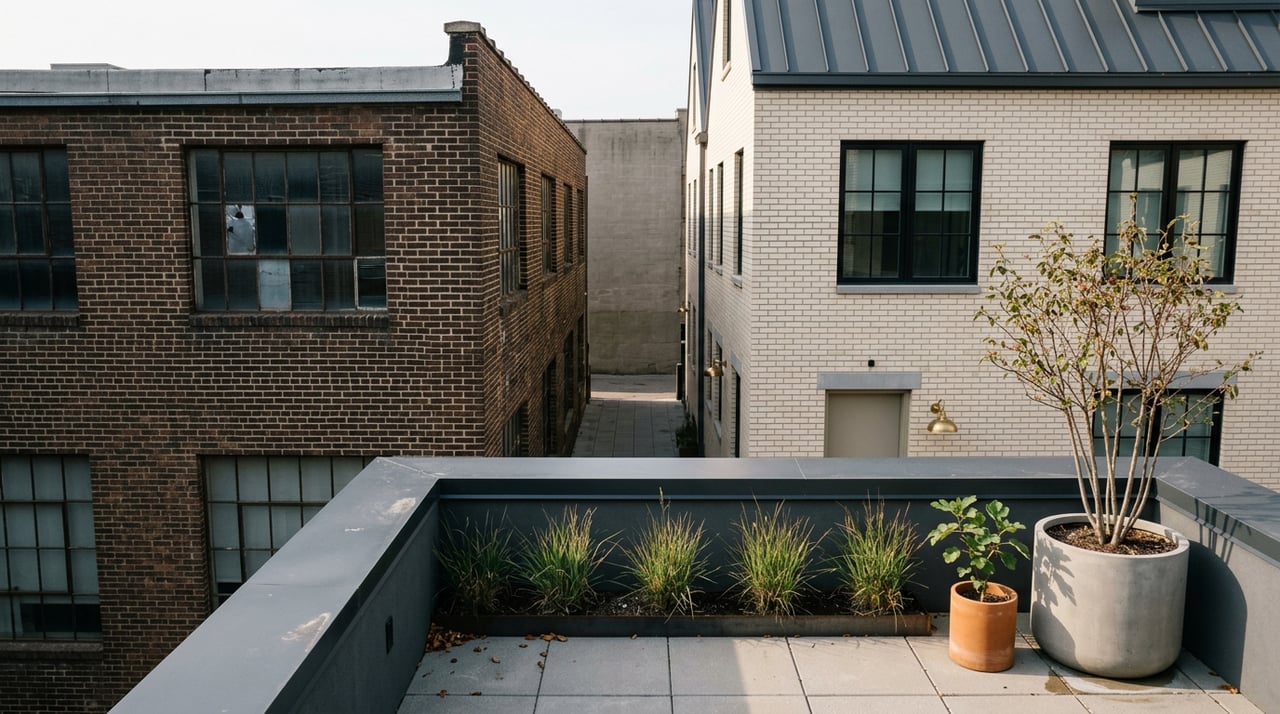
That's not measurement error. It's composition. WeHo is no longer a single housing stock you can average. It's several, stacked on top of each other in the same zip code, and every headline number depends entirely on which one the source happened to be counting.
| Data point | Figure | Time window |
|---|---|---|
| Median home price, multi-family category | $674,450 | July 2026 |
| Median sale price, reported up 16% YoY | $650,000 | July 2026 |
| Median sale price | $565,000, down 7.4% YoY | mid-2026 |
| Average house price | $427,000, down 10% YoY | mid-2026 |
| Median price per square foot | $456, up 6.7% YoY | mid-2026 |
| Trailing 12-month median, all product types | $585,000 (range $249K to $3.4M) | year ending early 2026 |
Look at the last two rows on that table together and the real story shows up. The median sale price fell over the past year, but the median price per square foot climbed. A neighborhood doesn't get cheaper and more expensive at the same time unless the mix of what's selling has shifted underneath the number.
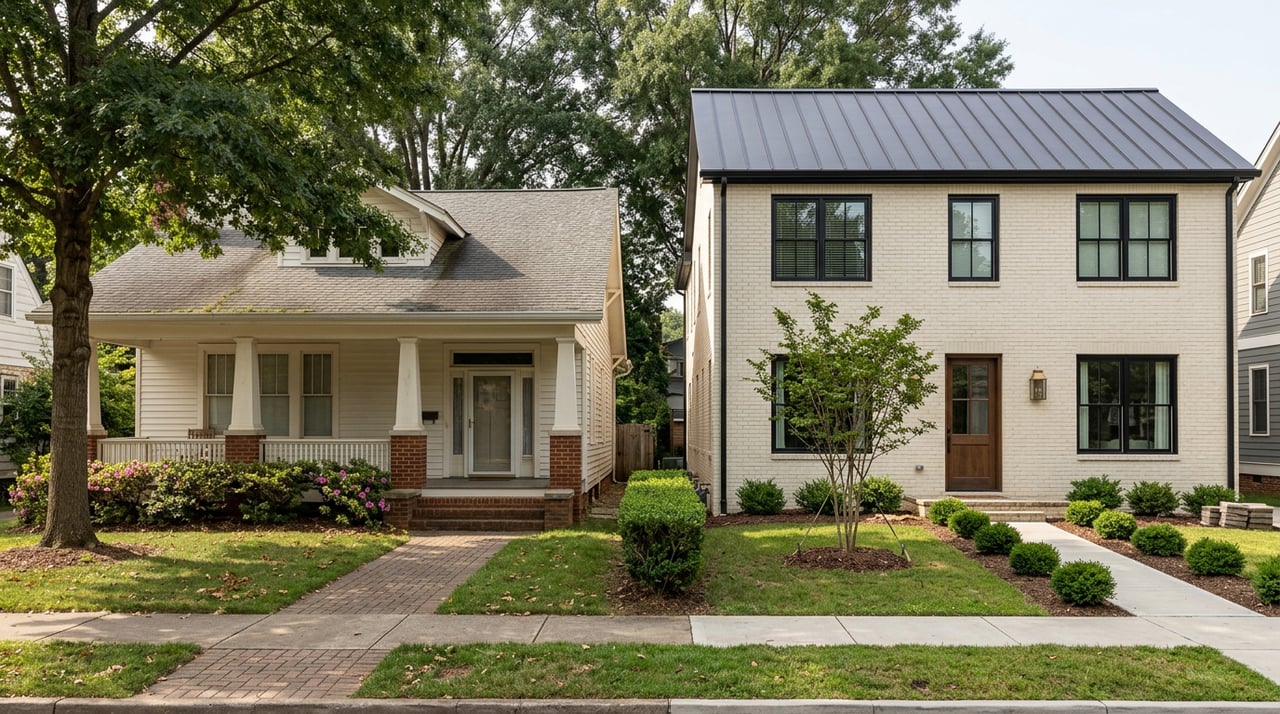
That's exactly what happened. A recent full-market breakdown of WeHo sales shows flat condos accounting for 37 percent of transactions, HPR-attached townhomes another 23 percent, and site-built single-family homes down to just 14 percent. Traditional townhouses, HPR-detached homes, and lofts split most of the rest. Smaller, denser product is doing more of the selling, and smaller units carry a higher price per square foot even when their total price tag is lower. The median can fall while the per-foot cost rises because fewer big houses and more small condos are changing hands. That's a composition shift, not a cooling market, and the two read completely differently to a buyer trying to decide if now is a good time.
Ask a WeHo listing agent where the neighborhood is headed and you'll usually hear one story. The parcel data tells at least four.
A venue that size, tied to a name-brand promoter, tends to move pricing in its immediate radius well before the first show, because buyers are pricing in future foot traffic and rent comps that don't exist yet. That's a normal pattern near any major anchor opening. It's also a very local, very specific reason why the "core" pocket's numbers are outrunning the rest of the neighborhood's, and why a single neighborhood-wide median obscures more than it reveals.
Here's where the fragmentation gets expensive if you miss it. The same neighborhood that can't agree on a median price also can't agree on which of its own addresses qualify for a short-term rental permit, and the rules are stricter than most WeHo listings let on.
Metro Nashville splits short-term rental permits into two categories: owner-occupied, where the operator lives on site, and non-owner-occupied, the category almost every serious Airbnb investor actually needs. New non-owner-occupied permits are not issued in standard residential zoning, specifically AR2A, R, RS, or RM districts. They're only available as a use permitted with conditions in a defined list of mixed-use and commercial zones, and Metro's own permit-types page spells out exactly which ones qualify.
Apply that to the WeHo submarkets above and the picture gets uncomfortable fast. Much of the neighborhood's most expensive, most in-demand new construction, the custom single-family homes going up near the Wedgewood Village core, sits in standard residential zoning. That means it cannot get a new non-owner-occupied STR permit, full stop, no matter how much the listing photos lean into hospitality-grade staging. Meanwhile, Modernest WeHo, a mixed-use-zoned condo development with units starting in the low $300s, is one of the few new WeHo addresses where that permit is actually obtainable. The cheaper unit has the STR rights. The pricier custom home doesn't.
If you're eyeing an existing Airbnb in a residential-zoned pocket of WeHo, there's a second trap layered on top. Tennessee's Short-Term Rental Unit Act grandfathers properties that were already operating before the rules tightened, but that grandfathered status is tied to the current owner and the permit is explicitly non-transferable on sale. Buy that property and the seller's operating history doesn't come with it. You'd be filing a brand-new application in a zone where brand-new applications for non-owner-occupied use are no longer approved.
We've written a full breakdown of how NOO STR zoning works property by property in Wedgewood-Houston if you want the mechanics in more depth. The short version for this conversation: the price confusion and the permit confusion have the same root cause. Both treat WeHo as one thing when the zoning map and the parcel history say it's several.
The practical move isn't to distrust every number you see for Wedgewood-Houston. It's to stop shopping the median and start shopping the parcel. Two questions do most of the work before you ever write an offer: what is the base zoning code on this specific address, not the marketing copy's version of the neighborhood, and which of WeHo's product tiers does this listing actually belong to, the value-tier cottage stock, the mid-tier new townhome, or the Wedgewood Village-adjacent premium build. Those two answers will tell you more about what you're buying, and what you're allowed to do with it, than any headline median will.
For a design-conscious buyer weighing WeHo against the Gulch or 12 South, that means comparing like tiers rather than neighborhood averages, since the Merritt Street corridor's new luxury condos can still price meaningfully below comparable Gulch product while the Western Edge undercuts both. For an investor building an STR thesis, it means verifying zoning eligibility for that specific parcel before the median price, the finishes, or the neighborhood's reputation enter the conversation at all.
Is Wedgewood-Houston still a better value than the Gulch or 12 South? Depends on the tier. The 4th Ave South corridor and the Western Edge both undercut comparable Gulch and 12 South product. The Wedgewood Village core, where Soho House, Hermès, and The Truth are clustered, is pricing closer to premium Gulch territory as those openings land.
Can I assume a WeHo condo qualifies for a short-term rental permit because other units nearby operate as one? No. Eligibility is parcel-specific and tied to base zoning, not neighborhood reputation. A mixed-use-zoned building like Modernest can qualify where a standard-residential-zoned property next door cannot, regardless of what similar units are doing.
Why would prices near The Truth move before it even opens? Buyers and investors routinely price in anchor tenants ahead of opening day, the same way retail corridors reprice around a confirmed grocery anchor. A 4,400-seat venue backed by a national promoter is exactly the kind of catalyst that shows up in comps before the first ticket sells.
If you're trying to figure out which WeHo tier actually fits what you're building toward, whether that's a design-forward primary residence or a short-term rental play with real zoning behind it, Beth Dodd works both sides of this market daily, from acquisition through design to close. Request a Free Valuation & Consultation and we'll walk the parcel-level details with you before you write an offer, not after.
A Proven Dealmaker Combining Design Expertise, Meticulous Execution, Financial Insight and Trusted Partnership Throughout Greater Nashville.