Thinking about buying a Wedgewood-Houston townhome for Airbnb-style income, but unsure what “NOO STR” really means for you? You are not alone. Nashville’s short-term rental rules have shifted often, and the details can make or break an investment. In this guide, you will learn what Non-Owner-Occupied short-term rentals mean in Nashville, how Wedgewood-Houston’s neighborhood factors affect feasibility, the typical permitting steps, and a clear due diligence checklist to use before you write an offer. Let’s dive in.
NOO STR, defined in Nashville
A Non-Owner-Occupied short-term rental is a property you do not use as your primary residence while hosting short stays. This is different from an owner-occupied or hosted rental, where you live on site. Nashville regulates NOO STRs more strictly to protect long-term housing, manage neighborhood impacts, and ensure safety and tax compliance.
For you as an investor, that means different registration, higher scrutiny on location and density, and more operational requirements. You should expect higher upfront compliance costs and ongoing obligations compared with a traditional long-term rental.
Why Wedgewood-Houston specifics matter
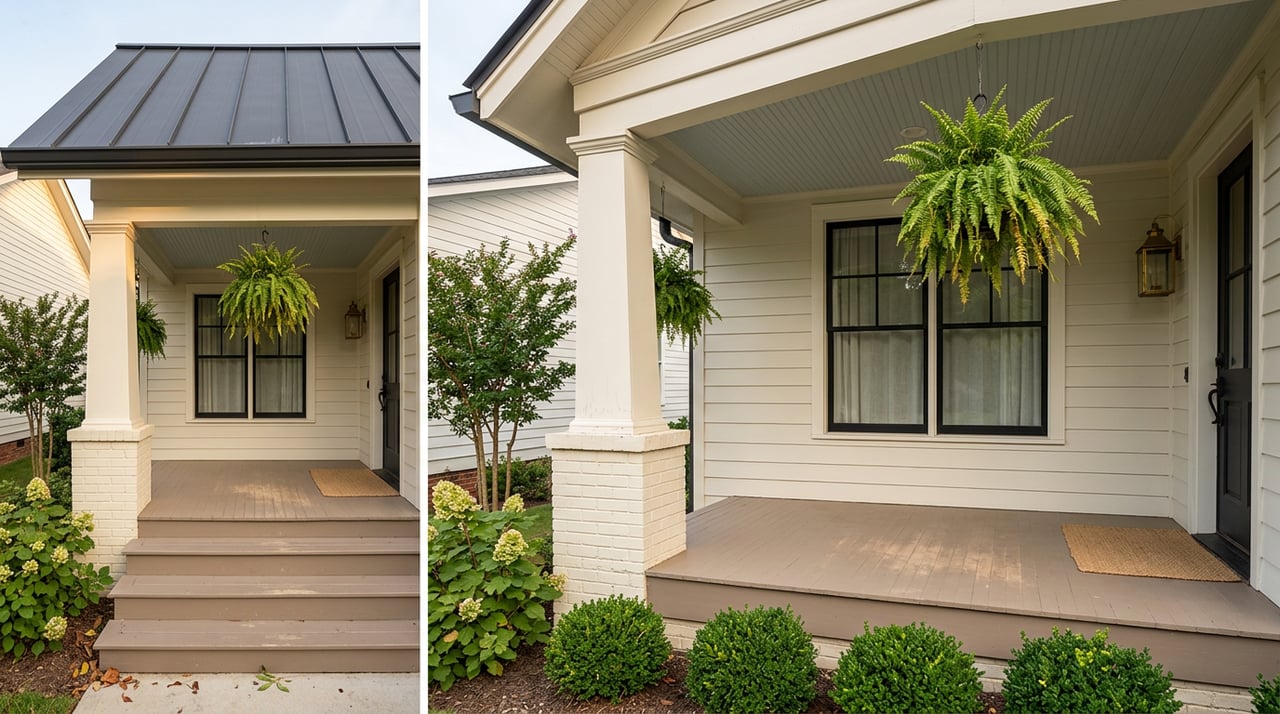
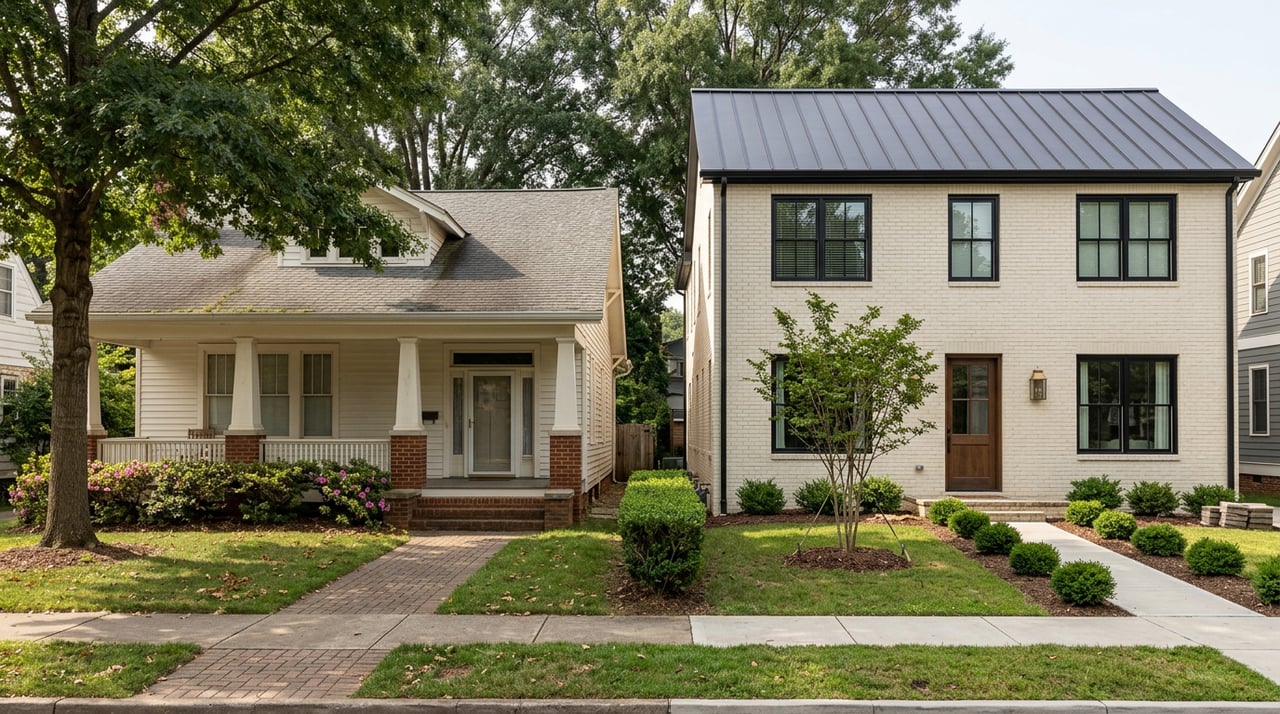
Wedgewood-Houston is an urban neighborhood near central Nashville with a mix of single-family homes, historic houses, and newer townhome or smaller multi-unit developments. Proximity to Midtown and downtown can drive strong visitor demand compared with outer suburbs. That demand can help revenues, but it can also draw more attention to compliance.
Parking is a common friction point in inner neighborhoods. Street layouts, lot sizes, and limited on-site parking in Wedgewood-Houston can trigger neighbor complaints if guests over-park or block driveways. Some streets also experience heavier enforcement attention when complaints occur.
Overlays or historic districts may add review or restrictions. If a property sits within a historic or conservation overlay, additional design or occupancy rules can apply. Many townhomes are also governed by condo or HOA rules, and those documents can be more restrictive than Metro’s rules. Some HOAs prohibit short-term rentals entirely or require minimum lease terms.
Can your property qualify for NOO STR use
Use these early checks before you go under contract. They will tell you quickly if NOO STR operation is possible or likely blocked.
- Metro STR registry search. Verify whether the address is already registered and whether neighborhood spacing or caps limit new NOO permits.
- Zoning and overlay check. Confirm the zoning district, any overlay, or special neighborhood plan restrictions using Metro GIS tools.
- Title and covenants review. Get the deed, plat, condo declaration, and HOA bylaws to identify rental restrictions or minimum stays.
Even when Metro permits are available, a condo or HOA can stop NOO STR use. Always confirm these documents in writing before you commit.
The permitting and compliance path
Names of forms and departments can change, but the functional steps stay similar. Plan for these stages if you intend to operate a NOO STR in Nashville.
A. Preliminary checks
- Confirm Metro STR registry status for the address and neighborhood cap or spacing constraints.
- Verify zoning district and overlays. Document anything that limits transient occupancy.
- Pull title and HOA or condo docs early. Identify bans or minimum lease terms that conflict with short stays.
B. Business and tax registrations
- Obtain a Metro Business Tax Certificate for operating a short-term rental as a business.
- Register for local lodging taxes and Tennessee state sales tax if applicable. Plan to collect and remit on each booking.
- Apply for Metro NOO STR registration or permit. Expect to provide proof of ownership, a local responsible contact, business tax documentation, and safety attestations.
C. Operational and safety compliance
- Safety and fire items. Install and maintain smoke and carbon monoxide detectors, fire extinguishers, and required egress features. Some units must pass an inspection.
- Local contact. Provide a 24 or 7 local contact who can respond within required time frames. Post that contact information at the property and in your listings.
- Occupancy limits and posting. Follow city occupancy rules and post permits or conditions on site.
- Insurance. Secure coverage that specifically allows short-term rental activity and includes liability protection.
D. Ongoing compliance
- Taxes and reports. Collect and remit lodging and sales tax on time. File business tax returns as required.
- Renewals and records. Renew registrations, and maintain booking, guest, and tax records in case of audit.
- Complaint response. Create a documented protocol for noise, trash, and parking complaints. Swift action reduces risk of penalties.
E. If your unit is in a condo or HOA
- Additional approvals. Some associations require disclosures, insurance proof, or written approval before you list. Many prohibit short-term rentals outright, which stops the deal for NOO use.
Due diligence checklist for investors
Use this practical list to reduce risk and avoid surprises.
Legal and regulatory checks
- Check the Metro STR registry for the address and neighborhood cap or spacing.
- Confirm the zoning district and any overlays, including historic overlays that may add restrictions.
- Review title, plat, and all condo or HOA declarations for rental limits, minimum stays, or special assessments.
- Ask whether any neighborhood-specific moratoriums or caps are in effect.
Operational and physical checks
- Parking. Count off-street spaces and learn local permit rules. Estimate realistic car counts for guest groups.
- Access and egress. Confirm that doors, windows, and stairways meet requirements for transient occupancy or can be upgraded at a reasonable cost.
- Noise and nuisance exposure. Evaluate shared walls, patios, and outdoor amenities that might create conflicts with neighbors.
- Condition and code items. Budget for detectors, extinguishers, signage, and any upgrades required by inspection.
Financial and market checks
- Performance comps. Gather revenue and occupancy benchmarks for comparable townhomes in Wedgewood-Houston and similar urban areas nearby.
- Taxes and fees. Model business tax, lodging tax, permit fees, and higher STR insurance into your pro forma.
- Seasonality. Map peak and slow periods and stress-test cash flow for off-season months.
Operational partner plan
- Local manager. Identify a manager with STR experience who can serve as the responsible contact.
- Cleaning and maintenance. Secure housekeeping, handyman, and emergency vendors with backup options.
- Compliance program. Plan for guest screening, noise monitoring tools, parking rules, and 24 or 7 response.
Red flags that can stop a deal
- HOA or condo documents prohibit short-term rentals or require long minimum stays.
- The neighborhood cap is reached or there is an active moratorium on new NOO permits.
- The building cannot meet safety or egress requirements without costly renovations.
- Nearby operators show repeated enforcement actions, a sign of heightened neighbor opposition.
Risks, enforcement, and what to expect
Metro Nashville focuses heavily on complaint-driven enforcement. Noise, parking, trash, and over-occupancy complaints commonly trigger inspections and penalties. Administrative actions can include fines, permit suspension or revocation, and civil enforcement.
If you fail to register and remit taxes, expect audits, back taxes, and penalties. In serious cases, you may be required to convert to long-term rental or cease operation until you fix compliance issues. Treat documentation, tax remittance, and neighbor relations as core parts of your operating plan.
How Wedgewood-Houston townhomes fit
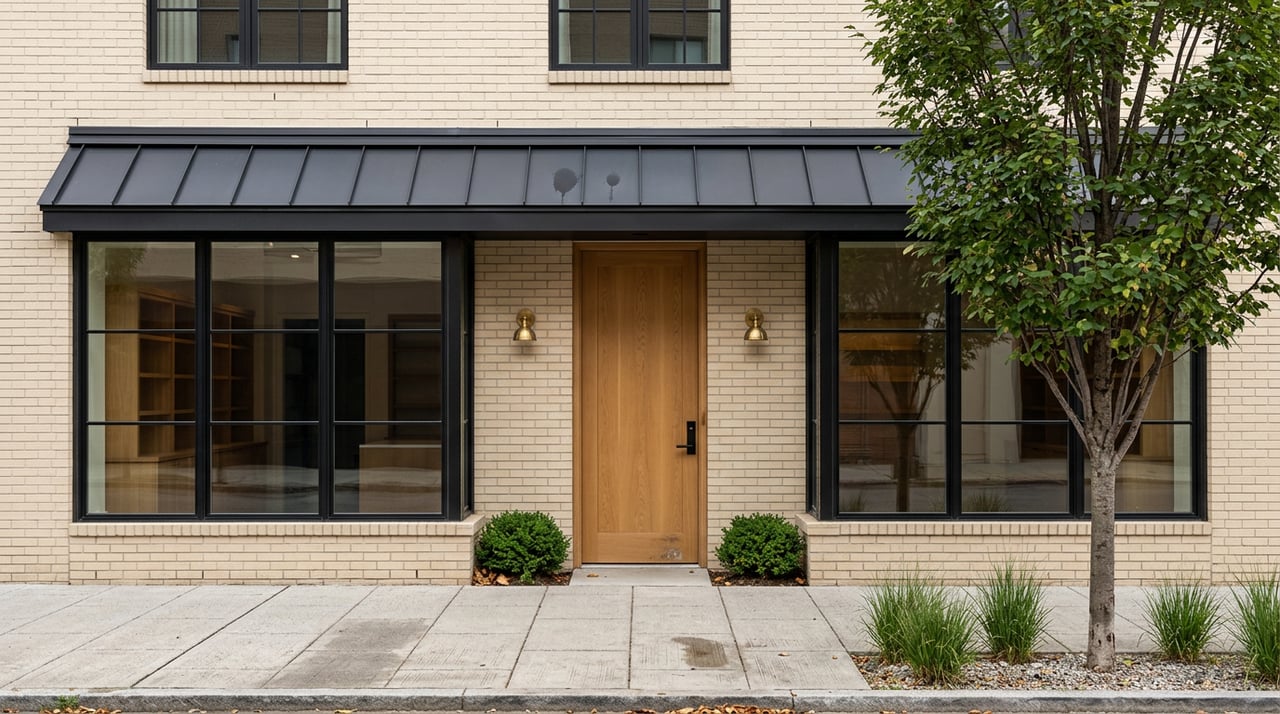
Townhomes in Wedgewood-Houston can attract short-term demand due to location and design features, but they also face practical constraints. Shared walls raise noise sensitivity, and limited on-site parking increases complaint risk. Many associations limit rentals, which can make an otherwise perfect unit ineligible for NOO use.
If you plan to buy a new or recent build, request the full set of condo or HOA documents upfront. You should also confirm whether any exterior modifications tied to safety or egress will be permitted. A quick early read on these items saves time and keeps you focused on viable options.
Pro tips for out-of-market buyers
- Start with two quick checks. The Metro STR registry and a zoning or overlay lookup will tell you if NOO use looks viable.
- Ask for HOA and title documents at the first request. If an HOA bans STRs, there is no workaround.
- Budget for operations, not just furniture. Plan for inspections, local management, insurance, taxes, and a response protocol.
- Engage local pros before you submit offers. A property manager and a real estate attorney can confirm feasibility and help you avoid noncompliant listings.
- Re-verify rules right before closing. Processes and enforcement priorities change, so do a final confirmation with Metro.
Next steps with a vertically integrated partner
If you prefer a turnkey path, work with a team that understands zoning, design, staging, and operations as one workflow. The goal is to buy or develop property, design and furnish it for hospitality-grade performance, secure the required registrations, and bring it to market ready to perform.
That is the model we champion in Greater Nashville. You get brokerage reach, development-level clarity on feasibility and costs, and design-forward product that is built to host well and comply. If you want help vetting a Wedgewood-Houston address or you need a pro forma and operating plan, connect with Beth Dodd to Request a Free Valuation & Consultation.
FAQs
What is a Non-Owner-Occupied short-term rental in Nashville
- It is a rental you do not use as your primary residence while hosting short stays, and it requires a different registration with stricter rules than an owner-occupied rental.
Are NOO STR permits available in Wedgewood-Houston right now
- Availability depends on zoning, overlays, spacing rules, and any neighborhood caps or moratoriums, so you should verify current status with Metro before you buy.
Can my HOA override Nashville’s NOO STR rules for a townhome
- Yes, condo or HOA covenants can be more restrictive than city rules and may prohibit short-term rentals or require minimum lease lengths that block NOO use.
What taxes apply when operating a NOO STR in Davidson County
- You should register for local lodging tax, state sales tax when applicable, and a Metro business tax certificate, then collect and remit taxes on each booking.
How many guests can I host in a Wedgewood-Houston NOO STR
- You must follow Metro occupancy limits, typically tied to bedrooms or unit size, and post required permits and conditions at the property.
What are the top red flags when buying a Wedgewood-Houston townhome for NOO STR
- HOA prohibitions, neighborhood caps or moratoriums, costly safety or egress upgrades, limited parking that fuels complaints, and a history of nearby enforcement actions are key warning signs.