Selling a Historic Home in 12 South's Waverly-Belmont Overlay
September 3, 2026
September 3, 2026
In May 2021, the owner of a c. 1905 Folk Victorian on Halcyon Avenue asked the Metro Historic Zoning Commission for permission to remove a rear addition that had been tacked onto the house sometime between 2007 and 2009. The house sat inside the Waverly-Belmont Neighborhood Conservation Zoning Overlay, which covers most of 12 South, and staff had to compare old photographs of the original roofline against the altered one before they could recommend approval. That review, documented in the commission's own staff report, is one example of the review process in this neighborhood. Buyers should check the overlay and its review requirements before the inspection period ends.
That is the friction this post is about. In 12 South, whether a house is classified as "contributing" to the historic district decides more than what you can build. It decides who wants to buy the house, how long a renovation takes to approve, and whether a full teardown is even legally on the table without opening your finances to a public commission, as the Metro Historic Zoning Commission's design guidelines and preservation permit application show.
The overlay exists because a group of neighbors fought for it. Residents organized in 2015 to push the Metro Historical Commission toward a conservation zoning designation for what was still officially called Waverly-Belmont, and by early 2016 the 12 South Neighborhood Association was circulating the new rules to its members. Support wasn't universal. One 40-year resident told the commission she was tired of watching older homes replaced by what she called "stick houses." A neighbor on the other side argued the opposite, telling commissioners to "let us develop our property," according to WPLN's coverage of the 2015 hearing. Then-councilman Colby Sledge estimated, based on door-to-door canvassing, that somewhere between 60 and 80 percent of residents favored the overlay.
A local developer opposed the plan outright. Bill Hostettler, a partner at Craighead Development, told the Nashville Post the proposed rules were too subjective about what counts as a "contributing" structure and worried the overlay would slow the kind of infill housing that had made the neighborhood affordable to young buyers in the first place. The city's Historic Zoning Administrator countered that overlays nationally tend to stabilize or raise property values, though she acknowledged no study had confirmed that specifically for Nashville. More than a decade later, the overlay is settled law, but the tension between those two arguments still shapes every listing that comes up for sale on a pre-war street in 12 South.
Contributing status isn't about age alone. It is a determination the Metro Historic Zoning Commission makes about whether a specific structure reflects the architectural character the overlay was built to protect. The difference changes the entire transaction that follows.
Inside the overlay, a Preservation Permit is required before new construction, an addition, a relocation, or a demolition, in whole or in part. This isn't a rubber stamp process. It's a design review against published guidelines covering rooflines, setbacks, materials, and the proportion of windows to wall space.
A case from Lawrence Avenue shows how granular this gets. When an owner proposed an addition with a roof pitch of 7.5-in-12 against an original roofline of 7-in-12, commission staff had to determine whether the difference was close enough to read as compatible. It was, and the addition was approved. A steeper mismatch, or a change to window proportions, could have gone the other way. For a seller, this means renovation history matters as much as square footage. A previous owner's rear addition, garage conversion, or replacement windows may or may not have gone through this review, and a buyer's attorney or agent should confirm that before closing, not after.
Full demolition of a contributing structure is not off the table, but it isn't a matter of pulling a standard permit either. The guidelines allow it in a narrow set of circumstances: if denying the demolition would create a genuine economic hardship, as determined by the commission itself.
Proving hardship is not a one-page form. The city's own preservation permit application asks an owner seeking a hardship demolition to provide, among other things:
That is a full financial disclosure, not a permit fee. It is worth knowing before an investor writes an offer with teardown plans already sketched, because the overlay does not make that plan illegal. It makes it expensive to prove.
None of this has kept 12 South from being one of the strongest luxury micro-markets in Davidson County. Over the trailing 12 months through June 2026, 105 homes closed in the neighborhood at a median price of $1.38 million, and 15 of those closings cleared $3 million. The single highest sale of that period, a fully renovated 1930-built historic home on Sweetbriar Avenue, closed at just over $5 million, ahead of any new construction sold in the same window.
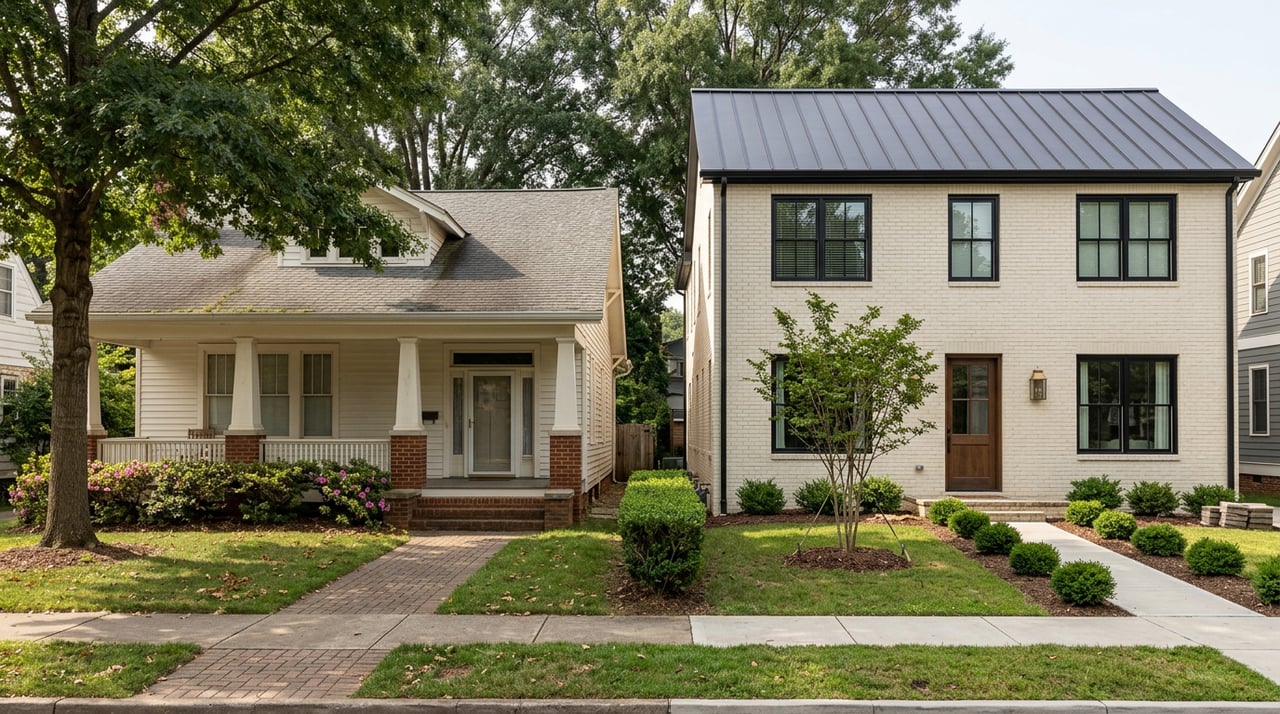
That last detail is the one worth sitting with. The overlay doesn't cap what a contributing home can sell for. It changes who is bidding. A buyer looking to maximize square footage on a cleared lot is working against a review process that treats demolition as a last resort. A buyer who wants a restored 1920s Craftsman with period detail intact, on the other hand, is shopping in exactly the inventory this overlay was built to protect, and the sales data shows that buyer is paying a premium for it. Pricing a contributing listing well means being honest with sellers about which of those two buyers is realistically going to write the offer, and marketing the house to that buyer with clear information about the overlay.
How do I find out if my house is contributing? The commission's Parcel Viewer tool, linked from the Metro Historic Zoning Commission's district page, shows which overlay covers a given address and its design guideline chapter. It's a five-minute check worth doing before you price a listing or write an offer.
Does the overlay apply to every street in 12 South? No. The Waverly-Belmont overlay follows specific boundaries within the neighborhood, and some newer infill sits outside it entirely. Confirming the exact footprint for a specific address, rather than assuming based on the block, is part of any serious due diligence period here.
A contributing home in 12 South is still one of the better long-term holds in this market. It just isn't a transaction you can run on instinct or on the comps from a non-overlay street three blocks over. If you're weighing a sale, a purchase, or a renovation on a pre-war street in this neighborhood, Beth Dodd can walk you through what the overlay means for your specific address, your timeline, and your price, before you're the one filing the paperwork. Request a free valuation and consultation to start that conversation.
This article is general information, not legal, tax or financial advice. Consult a qualified professional about your situation.
A Proven Dealmaker Combining Design Expertise, Meticulous Execution, Financial Insight and Trusted Partnership Throughout Greater Nashville.