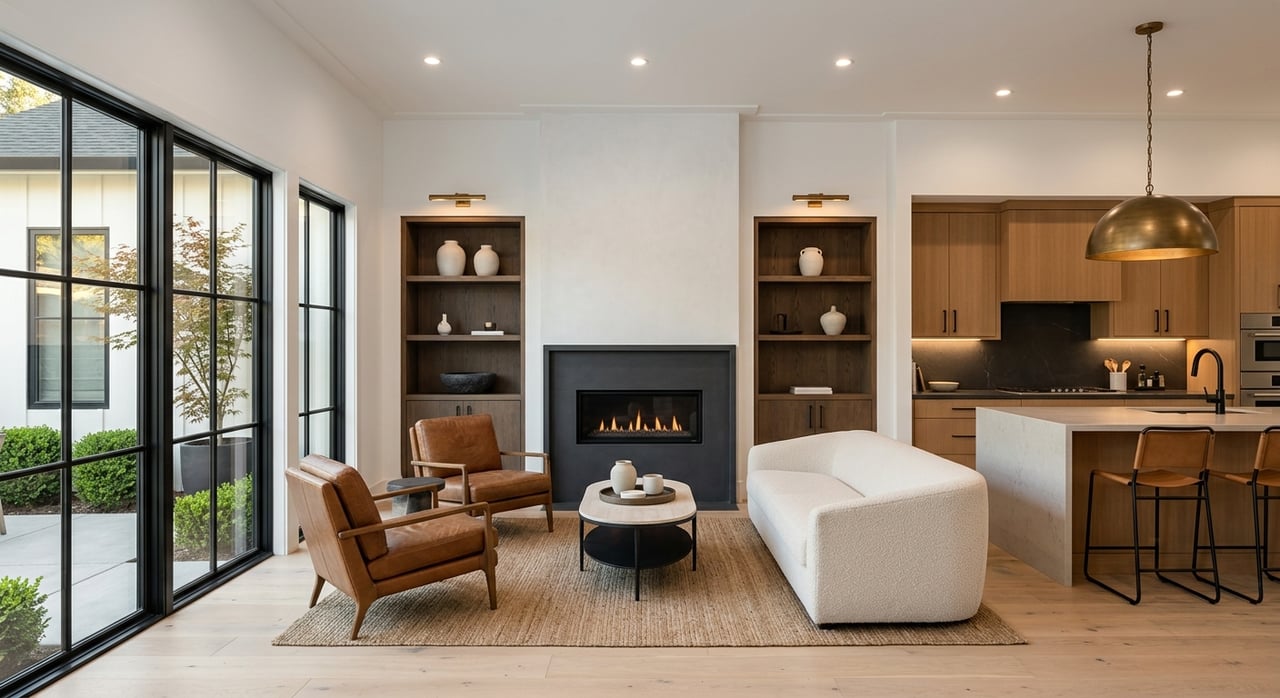
Planning a Smart Wedgewood-Houston STR Investment Purchase
April 2, 2026
April 2, 2026
Thinking about buying a turnkey short-term rental in Wedgewood-Houston? It is an appealing idea, especially in a Nashville area that continues to draw attention from buyers, developers, and visitors alike. But if you want the purchase to work on day one, you need more than a stylish property and a seller who says it is already operating. You need to confirm the parcel, permit path, tax picture, and day-to-day operations before you close. Let’s dive in.
Wedgewood-Houston and nearby Chestnut Hill sit in an area Metro has studied and regulated closely through local planning tools, including a planning study and an urban design overlay intended to preserve neighborhood character, support contextual infill, and address affordability and displacement concerns. Metro also identifies the area as a NashvilleNext first-tier center on two major transit corridors, which helps explain why development interest remains high in this part of Nashville. You can review that local planning context through the Wedgewood-Houston/Chestnut Hill planning study.
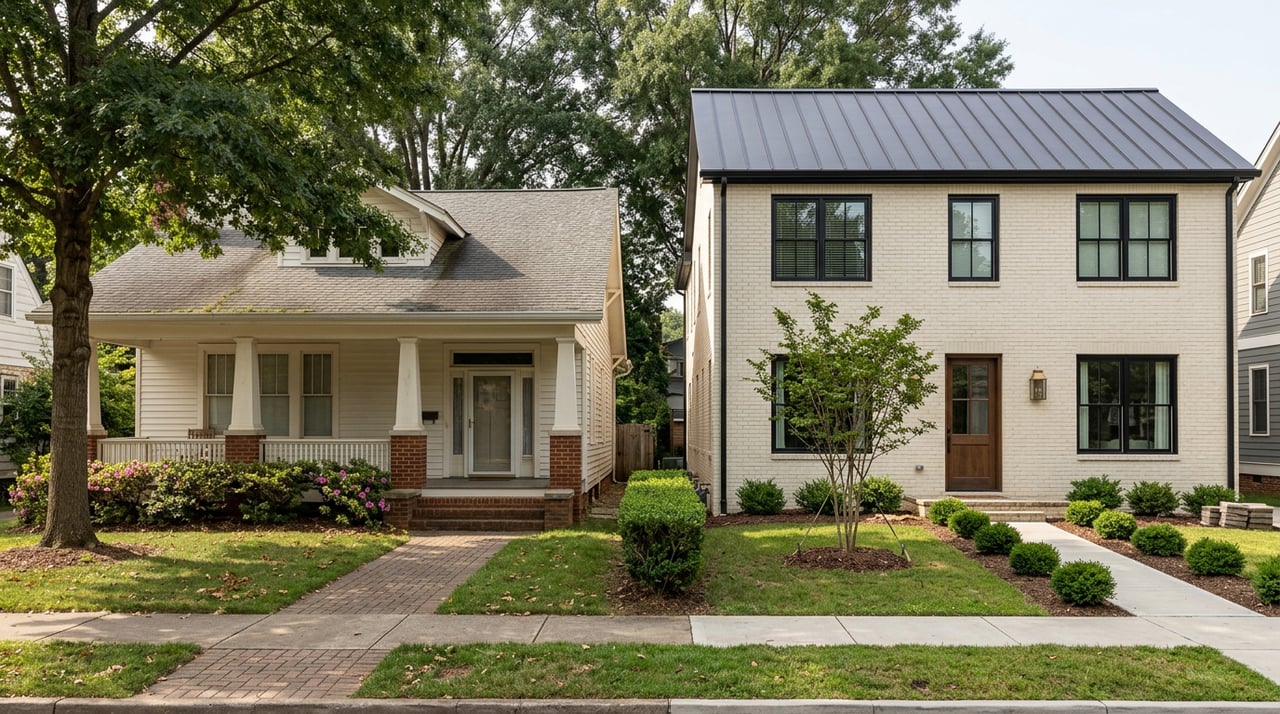
That attention does not automatically make every property a strong STR candidate. In fact, Metro notes that parcel size, zoning, and prior rezoning history can affect what a site may support. In Wedgewood-Houston, two homes on the same street may have very different development or STR potential.
At the same time, the broader visitor story in Davidson County remains significant. According to the Nashville Convention & Visitors Corp., the county generated $11.2 billion in visitor spending and welcomed 16.9 million visitors in 2024. That kind of tourism base helps support the revenue case for well-positioned, compliant short-term rental properties.
If you are planning a turnkey STR purchase, the biggest mistake is assuming that the neighborhood name tells you everything you need to know. It does not. Metro’s South Nashville Community Plan describes Wedgewood-Houston and Chestnut Hill as areas under significant pressure for change in zoning, land use, density, price structure, and demographics.
For you as a buyer, that means the right question is not, “Is Wedgewood-Houston good for STRs?” The better question is, “Is this specific property eligible for the STR use I want?” That shift in thinking can save you from underwriting a deal based on assumptions instead of facts.
Before you get attached to furnishings, projected rates, or a polished listing, confirm whether the property can qualify for the permit type you need. Nashville requires a permit before anyone can list a property on short-term rental platforms, and Metro recommends checking the Short Term Rental Permit Eligibility Viewer and parcel tools by address.
This is especially important in Wedgewood-Houston because the local urban design overlay does not override use rules. Metro is clear that urban design overlays do not change what uses are allowed or prohibited. You still need to verify base zoning, any Specific Plan conditions, Planned Unit Development rules, and other parcel-specific constraints.
Nashville treats these permit paths differently, and your purchase strategy needs to match the right one.
For owner-occupied STRPs, the permit must be held by a natural person who permanently lives at the property. Metro states that LLCs, corporations, trusts, partnerships, and joint ventures are not eligible for that permit type.
For not-owner-occupied permits, Metro allows them only in a limited set of zoning districts, and new permits are not allowed in AR2A, R, RS, or RM zones. You can review those rules on Metro’s permit types page.
This is one of the most important parts of a turnkey purchase. A seller’s existing permit does not transfer to you. Metro says STR permits expire after 365 days, cannot be transferred or assigned, and an ownership change can cancel the permit under the operation rules and requirements.
So even if a home is currently operating as an STR, you should underwrite the purchase as if you are starting from scratch. If the property would not qualify for your intended use after closing, the “turnkey” label loses a lot of value.
A clean purchase process starts with a clear due diligence checklist. In Wedgewood-Houston, these steps matter even more because zoning and entitlement conditions can vary from parcel to parcel.
If you are buying a detached accessory structure or considering one as part of the value-add story, be careful. Metro notes that a new detached accessory dwelling unit does not automatically create an STR path, and owner-occupied STR use is not permitted for certain new DADUs on some lot types. That guidance appears on Metro’s detached accessory dwelling unit page.
A turnkey STR should feel simple to operate, but your underwriting should still be disciplined. Gross booking revenue is only the starting point. Metro requires permit holders to remit business, sales, and hotel occupancy taxes, so your pro forma should separate top-line revenue from taxes and compliance costs.
Davidson County’s local sales tax rate effectively increased to 2.75 percent on February 1, 2025, and Nashville’s hotel occupancy tax levy is 7 percent, with the nightly fee remaining $2.50, according to the Tennessee Department of Revenue local tax resources. Those numbers directly affect your net revenue.
Tennessee also notes that short-term rental marketplaces remit local occupancy tax for marketplace bookings, and beginning July 1, 2025, the first 30 days of occupancy in a short-term rental unit are subject to local occupancy tax for agreements entered into, renewed, or amended on or after that date. If you plan to combine platform bookings with direct bookings, study the state occupancy tax guidance carefully.
A strong STR pro forma should account for more than mortgage, taxes, and projected nightly rates. You will want to budget for:
You may also need a business tax license depending on gross income. The Davidson County Clerk’s STR business license guidance says no license is needed below $3,000 in annual gross income, minimal activity licensing applies from $3,000 to $99,999, and a business tax license plus returns are required at $100,000 and above.
In a design-forward market, it is easy to focus on finishes and furniture. Those matter, but guest readiness is about operations just as much as aesthetics. A property can look great in photos and still create friction if the amenities, instructions, and compliance details are not dialed in.
Airbnb’s guest amenity guidance offers a useful benchmark for what travelers expect. Guests often filter by amenities, and basics include bedding, locks, bathroom essentials, toilet paper, soap, towels, pillows, and linens. Clear instructions for wifi, parking, trash, and appliances also make a difference.
If you are evaluating a furnished STR purchase, look for an operational handoff that covers more than decor. Ideally, you want:
Metro’s not-owner-occupied checklist specifically requires a local responsible party who lives within 25 miles, and listing compliance is part of the handoff process, not an afterthought. You can review those details on the not-owner-occupied permit checklist.
Buying the right property is only half the equation. Once you own it, the permit holder must continue following Metro’s operating rules. That includes monitoring guest activity, maintaining local coverage, following occupancy limits, and staying current on taxes and renewals under the city’s operation requirements.
That is why the best turnkey STR purchases are set up with both design discipline and operational discipline. You want a home that photographs well, supports smooth guest stays, and fits a compliance process you can maintain over time.
In Wedgewood-Houston, a smart STR purchase starts with the address, not the marketing. The neighborhood has real demand drivers, strong visibility, and an active planning context, but parcel-level eligibility still determines whether the deal works for your goals.
If you are buying for immediate STR use, focus on four things first: permit eligibility, zoning fit, realistic underwriting, and an operations plan that can actually be sustained. Once those pieces are in place, design and furnishings can become a real advantage instead of a distraction.
If you want help evaluating a turnkey opportunity in Wedgewood-Houston, Beth Dodd brings together brokerage guidance, design-forward positioning, and practical STR thinking to help you assess what is workable before you commit.
A Proven Dealmaker Combining Design Expertise, Meticulous Execution, Financial Insight and Trusted Partnership Throughout Greater Nashville.