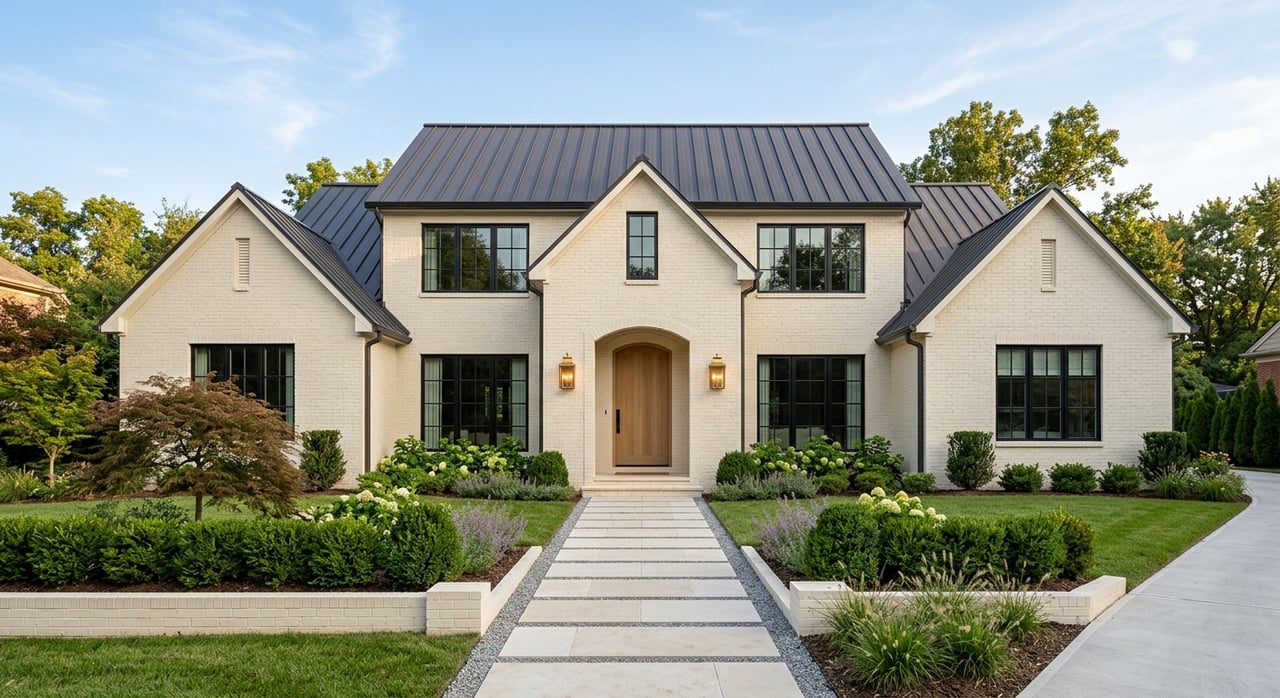
How to Buy in 12 South in a Multiple-Offer Market
April 23, 2026
April 23, 2026
If you are buying in 12 South, you may only get one shot at the right home. In a neighborhood known for walkability, boutique appeal, and premium pricing, the best listings can still draw strong interest even as the broader Nashville market gives buyers a bit more breathing room. The good news is that you do not have to win with the highest number alone. You can compete by building a clean, thoughtful offer that protects your goals and respects your budget. Let’s dive in.
12 South is a compact Nashville neighborhood centered on a half-mile stretch of 12th Avenue South, known for restaurants, bars, boutiques, and design-forward appeal, according to Visit Nashville’s 12 South guide. That combination keeps demand strong for well-located homes.
Recent data also points to a high-priced, low-inventory environment. Realtor.com’s 12 South overview reported a December 2025 median home sale price of $1.45 million with 26 active listings, while Redfin reported a March 2026 median sale price of $1.18 million and 62 days on market. The exact figures vary by source and month, but the trend is clear: inventory is limited, and standout homes can still attract multiple offers.
At the same time, the broader Nashville market has become more balanced. Greater Nashville REALTORS® reported 6 months of inventory in March 2026, and Axios reported more listings year over year. That means your strategy in 12 South should stay hyperlocal, because neighborhood-level competition can feel very different from the metro-wide average.
When you are competing in 12 South, price is only one part of the offer. According to the National Association of REALTORS® consumer guide on multiple offers, sellers also weigh contingencies, earnest money, closing timing, and concessions.
That matters in a neighborhood where many buyers are chasing the same lifestyle and location. A well-structured offer can stand out because it feels easier to accept, not just bigger on paper.
Before you write, decide what the home is worth to you and where your ceiling is. The CFPB notes that a preapproval is based on lender assumptions and is not the same as your personal comfort level. You may qualify for more than you actually want to spend each month.
This is especially important in 12 South, where premium pricing can create pressure to stretch. A smart offer is one you can sustain comfortably, even if the competition gets intense.
List price is a signal, not a verdict. Realtor.com’s local market guidance for 12 South notes that pricing should reflect comparable sales, market conditions, and the property’s condition.
For you, that means staying grounded in the home’s actual value rather than reacting emotionally to the asking price or the fear of missing out. In multiple-offer situations, discipline can be just as important as speed.
Earnest money helps show that you are committed. Fannie Mae explains that earnest money is typically 1% to 3% of the offer price and is usually held by a licensed real estate agent or title company.
In a higher-priced submarket like 12 South, a serious earnest money deposit can make your offer feel stronger. It does not replace financing strength, but it does show the seller that you are prepared and organized.
A strong offer starts before the listing goes live. Sellers often want to see that you have already spoken with a lender, and the CFPB says preapproval letters are frequently required before an offer is accepted.
Still, it is important to remember what preapproval does and does not do. The CFPB also notes that a preapproval is a tentative willingness to lend, not a guaranteed loan offer, and many letters expire in 30 to 60 days.
If you are actively shopping in 12 South, keep your lender documents updated so you can move quickly. Once an offer is accepted, the CFPB advises that you may need to verify income, assets, and employment again and respond quickly to follow-up requests.
That speed matters in a competitive setting. A buyer who is slow with paperwork can create uncertainty, even after getting under contract.
After you submit an offer, keep your finances steady. Fannie Mae warns buyers not to make large purchases after making an offer because new debt can affect final loan approval.
That means now is not the time for a new car, a major furniture order, or a big credit card balance. In a premium neighborhood, small changes in your financial profile can have bigger consequences than you expect.
In many multiple-offer situations, the winning offer is the one that best matches the seller’s priorities. The NAR consumer guide makes clear that the strongest offer is not always the highest price.
This is where strategy becomes practical. If you can align your terms with what the seller wants, you may become the easiest buyer to choose.
Fannie Mae says your offer can include an expiration date, proposed closing date, and flexibility around closing. If a seller wants certainty and speed, a shorter timeline may help. If the seller needs time to move, flexibility may matter more.
The key is clarity. A precise, well-timed offer reduces confusion and gives the seller a cleaner decision.
Concessions are not always a sign of weakness. The NAR guide notes that concessions can involve title costs, loan fees, inspections, taxes, repairs, updates, or other professional fees.
In some situations, reducing the amount you ask the seller to cover can strengthen your package. The right move depends on your cash position, loan structure, and comfort level.
An escalation clause can automatically increase your offer up to a set limit if a higher competing offer appears. Fannie Mae explains that this can be a useful option, while NAR advises reviewing the pros and cons with your agent and checking applicable law.
In practice, this tool works best when you already know your walk-away number. It can help you stay competitive without overcommitting, but it should never replace a clear budget ceiling.
In a hot listing situation, buyers sometimes feel pressure to strip away protections. That can be risky, especially in a higher-priced neighborhood where inspection or appraisal issues may carry a larger financial impact.
The CFPB recommends making your offer contingent on obtaining financing and on a satisfactory inspection so you are not contractually required to buy if the loan falls through or serious issues appear.
These are not the same thing. The CFPB explains that an inspection helps you evaluate the property’s condition, while an appraisal is typically a lender-required valuation.
An inspection can uncover repair concerns or deferred maintenance. An appraisal focuses on whether the property supports the loan amount.
In premium neighborhoods, appraisal gaps are worth discussing early. The CFPB warns that it is risky to buy a home for more than the appraised value, and depending on your contract, you may be able to renegotiate or cancel.
That does not mean you should avoid competitive offers. It means you should understand, in advance, how much appraisal risk you are truly willing and able to absorb.
Your deposit is not automatically safe in every scenario. The CFPB notes that a mortgage contingency clause affects whether your earnest money is refunded if financing fails.
This is one reason a clean offer should still be a carefully protected one. You want to look serious without exposing yourself to avoidable risk.
Buying in 12 South can feel fast, personal, and emotional. That is understandable. The neighborhood has a strong identity, limited supply, and homes that often carry a premium because of location, style, and convenience.
Still, the best buying decisions happen when you stay anchored to value. A competitive offer should be aggressive on terms, financeable, inspection-aware, and aligned with your personal ceiling, which is consistent with NAR’s guidance for navigating multiple offers.
If you are preparing to buy in 12 South, the goal is not just to win the house. The goal is to win it with a strategy that fits your finances, protects your downside, and sets you up for a smooth close. If you want expert help building a smart, competitive offer in Nashville, connect with Beth Dodd for guidance tailored to your goals.



A Proven Dealmaker Combining Design Expertise, Meticulous Execution, Financial Insight and Trusted Partnership Throughout Greater Nashville.