Discover 12 South Home Styles in Nashville
May 7, 2026
May 7, 2026
If you are drawn to 12 South, chances are you are not just shopping for square footage. You are looking for a home that fits the way you want to live, whether that means a porch with historic character, a compact cottage feel, or a newer build with a cleaner, more modern layout. Understanding the neighborhood’s housing mix can help you narrow your search and spot the style that matches your goals. Let’s dive in.
12 South is generally centered around 12th Avenue South between Wedgewood Avenue and Gale Lane, and it reads as more than a simple commercial strip with homes nearby. The neighborhood association describes it as an early-20th-century streetcar suburb, with houses, shops, churches, and schools arranged in a compact, walkable pattern.
That history still shows up in the way the neighborhood feels today. In the broader area, older subdivisions used gently curving streets instead of a strict grid, which helps create the softer, more residential character many buyers notice right away.
12 South also remains strongly residential even as newer infill has arrived. In Metro’s 12th Avenue South study area, single-family detached homes make up 41.8 percent of the housing stock, while two-family structures account for 21.7 percent.
Across the broader 12 South and Waverly-Belmont area, simple bungalows and cottages are the most common historic building forms. Metro’s design guidance places the area’s period of significance between 1880 and 1960, which helps explain why many blocks feel layered rather than uniform.
You will also see a mix of architectural influences within those historic forms. Metro identifies Victorian, Bungalow, Transitional Victorian, and Tudor Revival as predominant types in the corridor study area, while the broader guidance also notes Craftsman, Queen Anne, Folk Victorian, Tudor Revival, and Minimal Traditional details.
The result is a neighborhood where older homes often look different from one another but still feel cohesive together. That visual variety is part of what gives 12 South its lasting appeal.
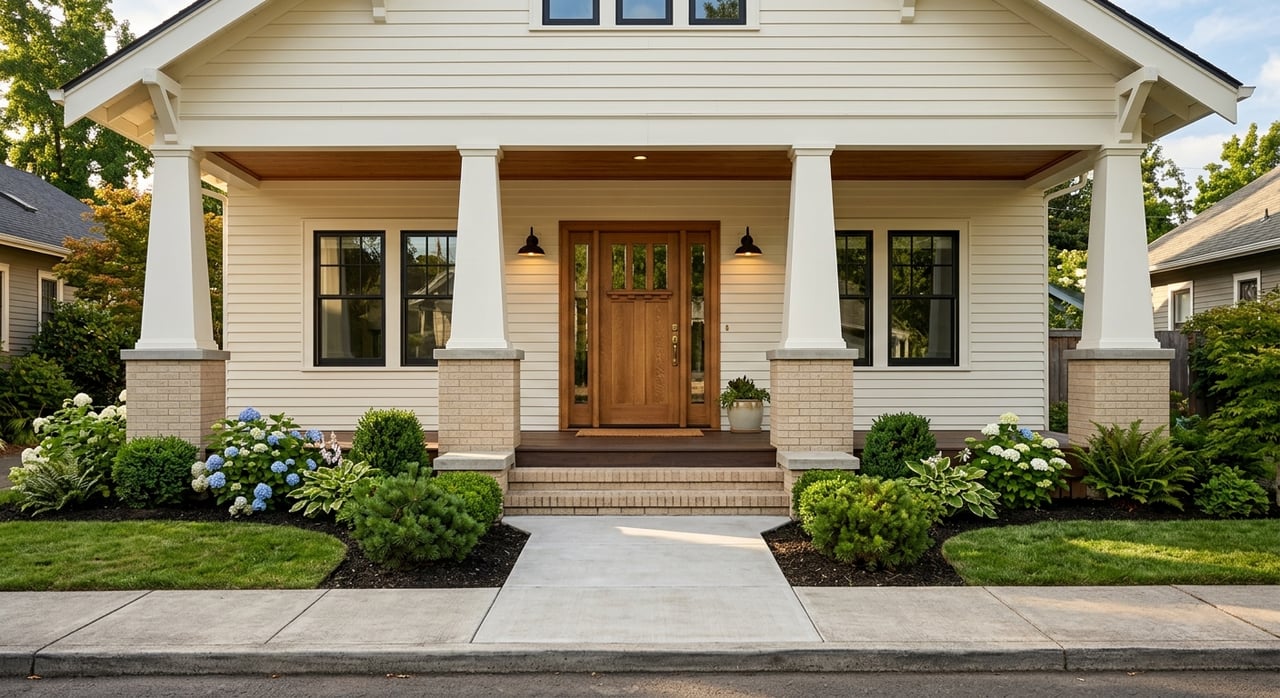
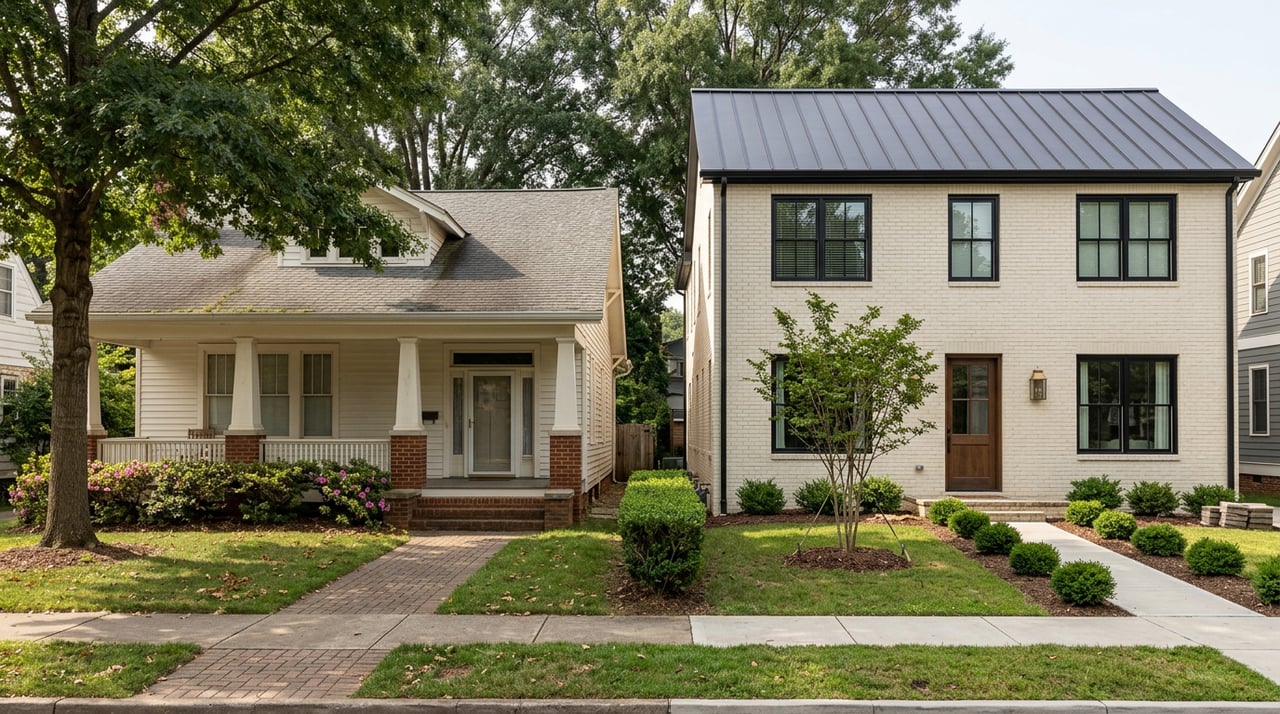
If you picture 12 South as a neighborhood of porch-forward homes with low-slung profiles, you are likely picturing a bungalow. In this area, bungalows are among the most common historic forms, and they often sit comfortably within the streetscape rather than dominating it.
These homes are typically one to one-and-a-half stories. Rooflines may be side-gable, front-gable, cross-gable, hipped, or pyramidal, which is one reason two bungalow blocks can feel related without looking repetitive.
Porches are a major part of the look and function. Front porches, side porches, wrap-around porches, and cut-away porches all appear in local guidance, and they strengthen the connection between the house and the sidewalk.
For many buyers, the appeal of a bungalow is about scale as much as style. If you want older-house texture, a human-scaled footprint, and a home that feels tied to the street, a bungalow often checks those boxes.
When you tour a bungalow in 12 South, look for these common exterior cues:
These details help explain why many of the neighborhood’s older homes feel welcoming from the curb. The design is usually oriented outward, not hidden from the street.
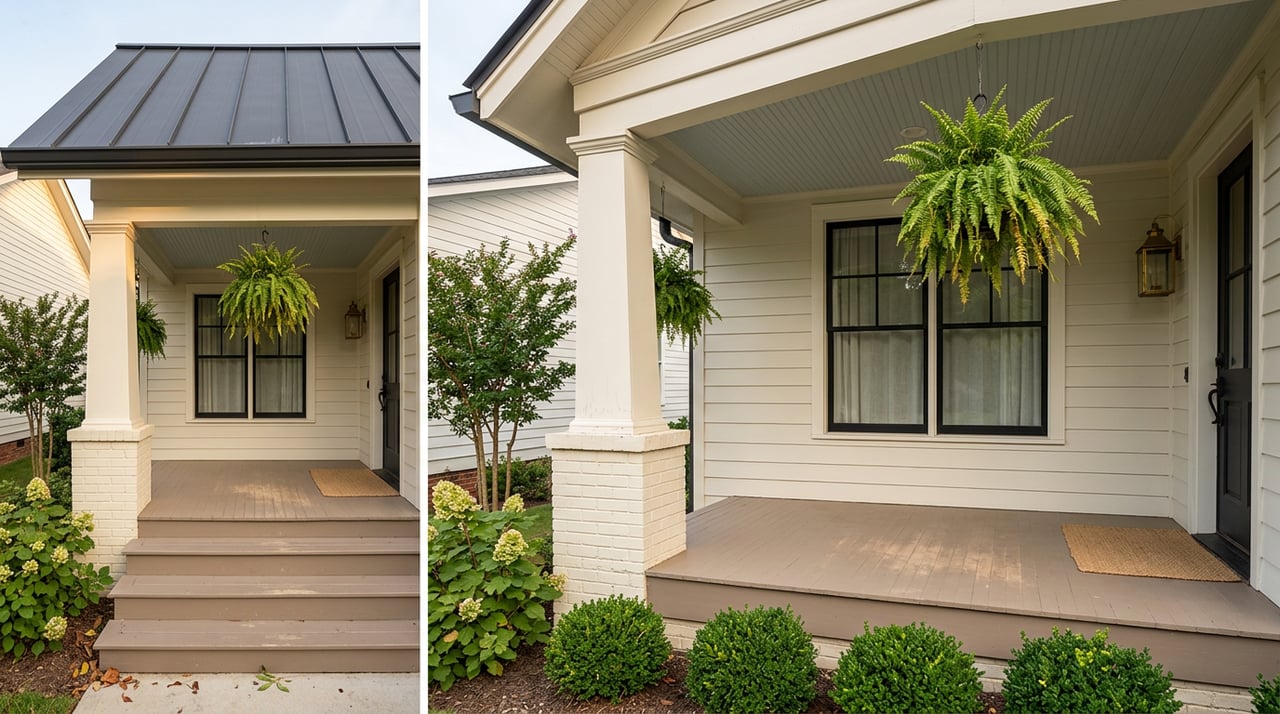
Cottages are another major part of the local housing mix. Metro describes cottages as relatively small detached houses that are typically one, one-and-a-half, or two stories and placed on small lots.
In practical terms, a cottage often appeals to buyers who want a detached home but do not need a large footprint. In 12 South, that can mean a more efficient layout, a smaller yard to manage, and a home that still feels integrated into the established neighborhood pattern.
Like bungalows, cottages in the area are usually part of the neighborhood’s older fabric, though the term can also be used in newer planning contexts. What matters most is the smaller scale and the way the home sits on the lot.
For design-conscious buyers, cottages often offer charm without excess. If your priority is livability, curb appeal, and a simpler footprint in a walkable area, this style can be a strong fit.
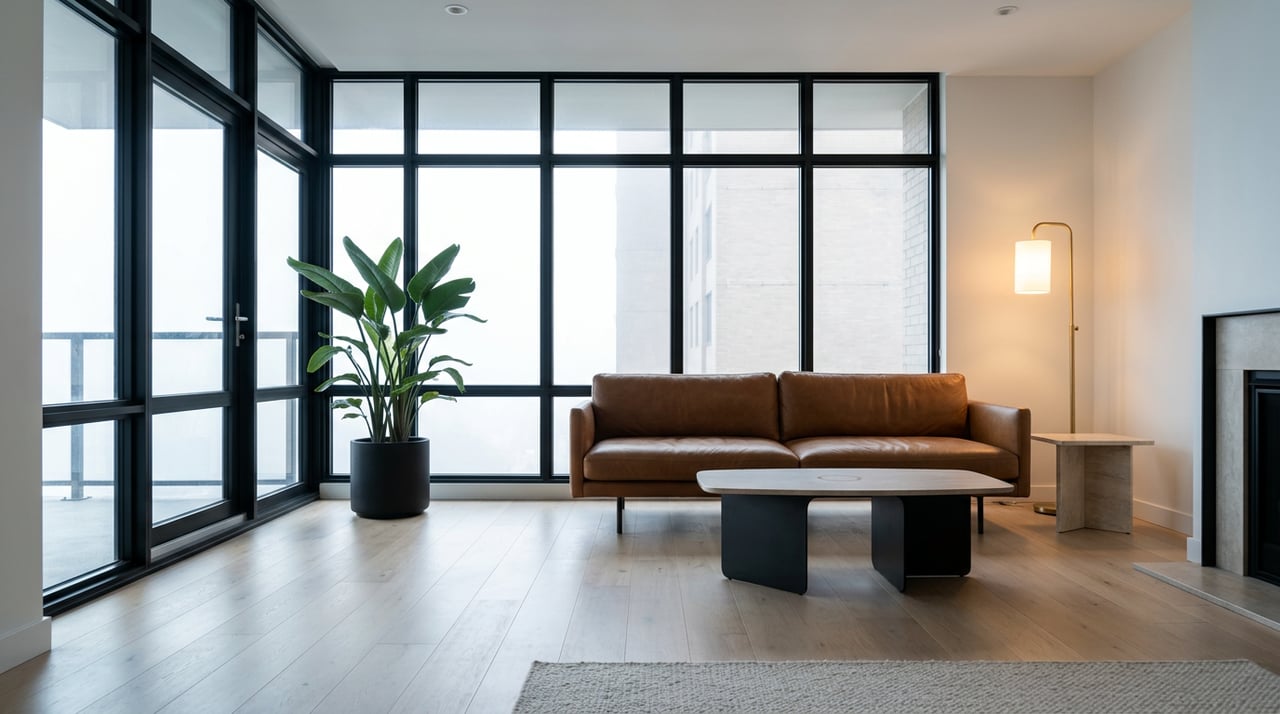
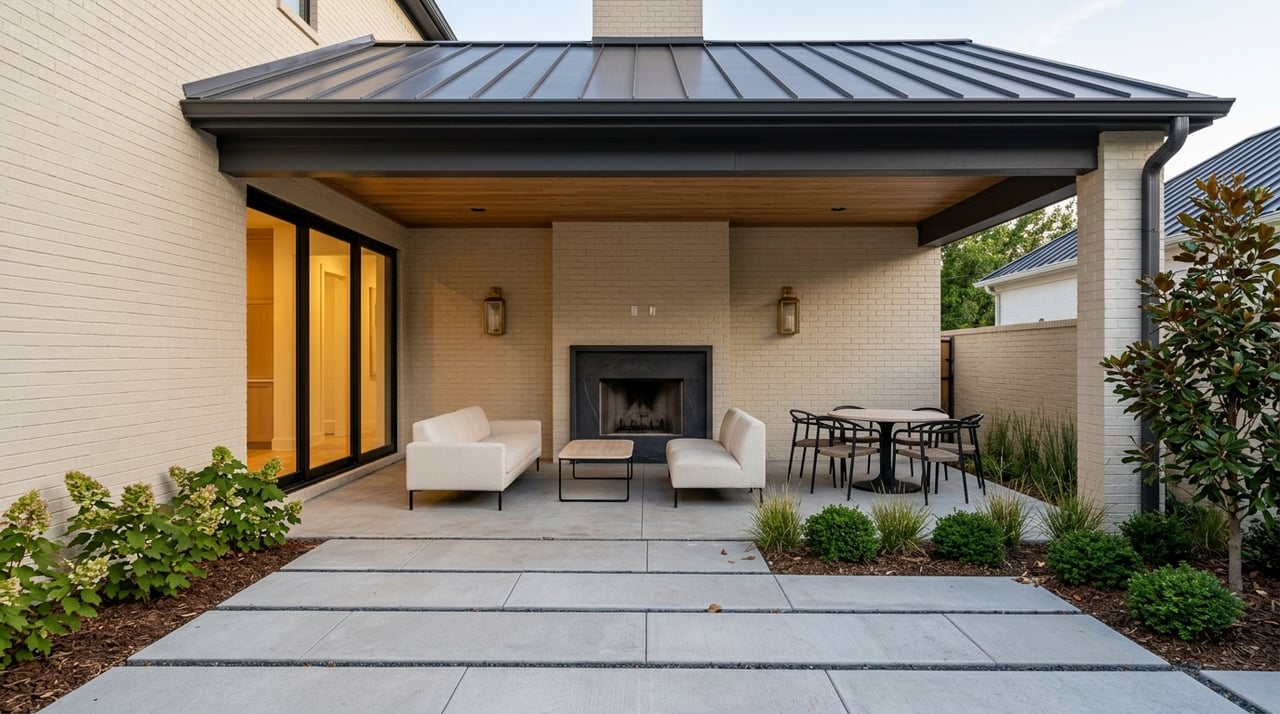
Not every buyer in 12 South wants an older house. Some want newer construction, more contemporary layouts, and lower day-one maintenance, and that is where modern builds and infill homes come into the conversation.
Metro’s 12th Avenue South plan notes that recent single-family and two-family infill has generally not modeled historic types directly. At the same time, the planning goal is still for new development to complement the existing scale, placement, and orientation of the built environment.
That point matters if you are comparing old versus new in 12 South. A newer home may look more contemporary, but the city’s planning framework still focuses on how it fits the block, especially in terms of height, setbacks, access, parking, and its relationship to the street.
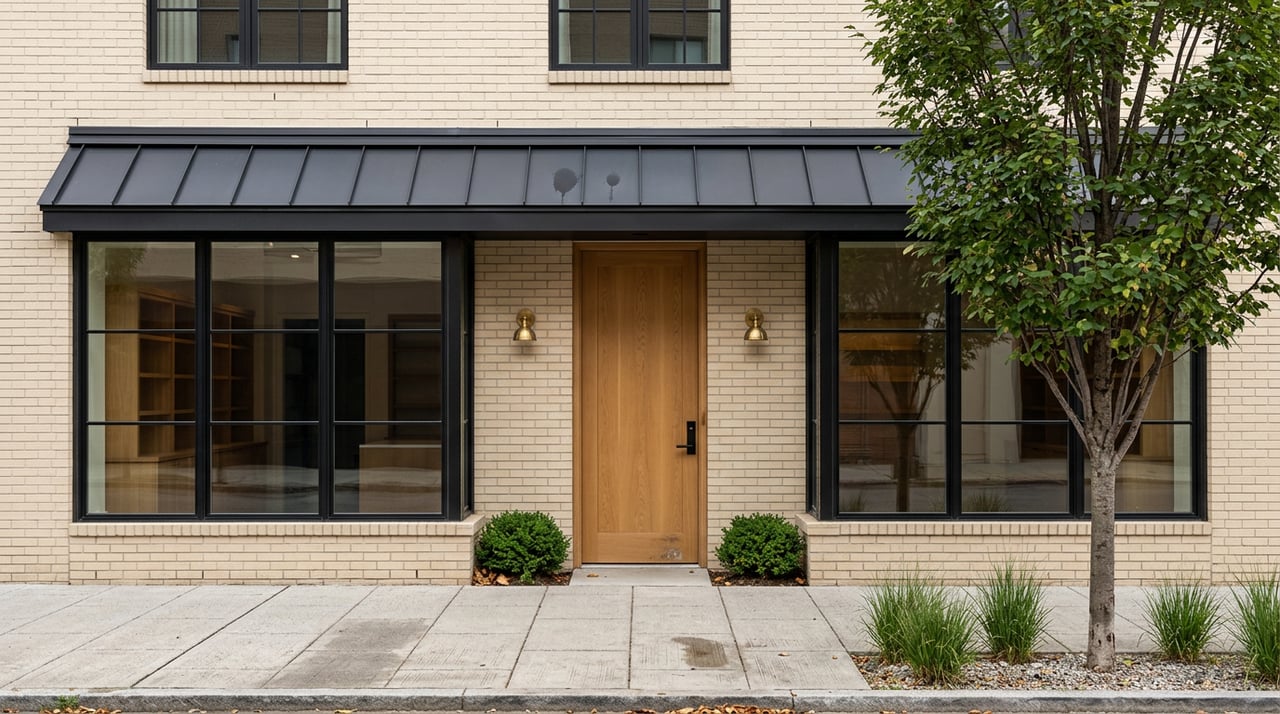
In other words, the best modern builds in 12 South are not just about finishes. They are about proportion, siting, and how the home contributes to the streetscape around it.
Newer homes and infill properties can be especially appealing if you value:
For buyers who love design but prefer newer systems and a more current layout, modern infill can offer a compelling middle ground.
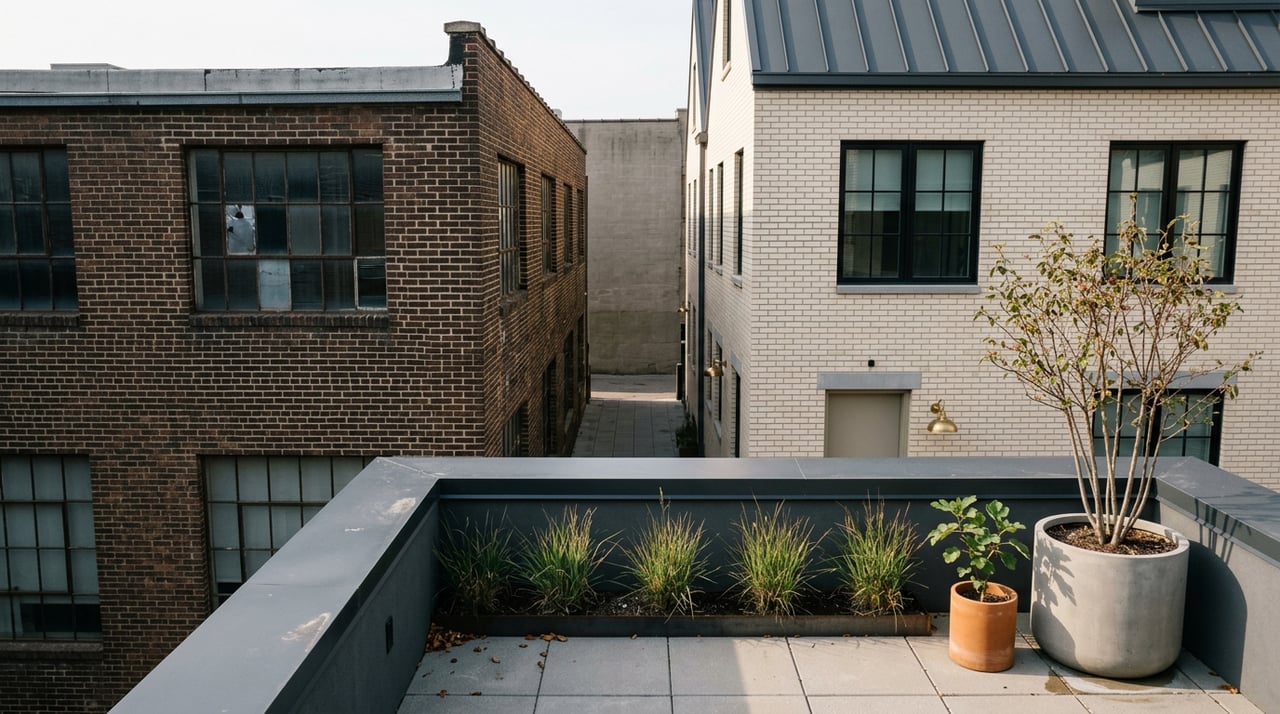
Along with detached homes, 12 South also includes attached housing in select pockets. Metro defines townhouses as rows of homes that share side walls, with vertical living units and a primary pedestrian entrance along the street frontage.
That street-facing entrance is important in a neighborhood like this. In 12 South, the front porch, stoop, and sidewalk relationship still matter, so attached housing tends to work best when it keeps a strong connection to the pedestrian experience.
Metro also notes that multi-family housing remains in relatively short supply along 12th Avenue South, even where the street and transit conditions could support it. That helps explain why attached forms tend to appear as targeted infill instead of full-scale redevelopment across the neighborhood.
For some buyers, a townhome is the right answer when they want a lower-maintenance option without leaving the walkable core. It can also be a practical fit if you prefer vertical living and a more compact site plan.
Home style in 12 South is not only about architecture. It is also about how you move through the neighborhood day to day.
Walk Score rates 12th Avenue South at 86 out of 100, classifying it as Very Walkable. The area also shows good transit and bike access, and Metro’s Complete and Green Street project added protected bike lanes, safer crossings, bus-stop improvements, and bioswales before the project was celebrated as complete in 2023.
Metro planners also observed that in the Acklen Avenue to Ashwood Avenue segment, more houses face 12th Avenue South and street parking is consistent. That detail helps explain why homes here often feel engaged with the street rather than turned away from it.
If you plan to walk to nearby shops or simply want a stronger connection between your home and the neighborhood around it, this streetscape context matters. In 12 South, curb appeal is not just about the façade. It is about the full experience from front door to sidewalk.
There is no single best home style in 12 South. The right choice depends on what you value most in daily life.
If you want porch character, smaller scale, and the texture of an older home, a historic bungalow or cottage may feel like the natural fit. If you want a more contemporary layout, tighter lot, or a more modern expression that still works within the neighborhood context, newer infill may suit you better.
A smart home search here starts by looking past labels alone. You want to compare scale, street presence, lot size, parking approach, and how each property supports the way you actually live.
That is especially true in a neighborhood with both historic fabric and ongoing infill. Two homes may sit just blocks apart and offer very different experiences, even if they share a similar price point.
If you are comparing homes in 12 South, keep this quick checklist in mind:
The goal is not to force yourself into one category. It is to identify the tradeoffs that matter most so you can make a confident decision.
In a neighborhood like 12 South, style and function are closely connected. When you understand how bungalows, cottages, and modern builds differ, you can search with a clearer eye and avoid wasting time on homes that do not match your priorities.
If you want help narrowing the options in 12 South or comparing older homes with newer design-forward properties, Beth Dodd can help you evaluate what fits your lifestyle, your design preferences, and your goals.

A Proven Dealmaker Combining Design Expertise, Meticulous Execution, Financial Insight and Trusted Partnership Throughout Greater Nashville.