Wedgewood-Houston New Construction or Renovated Homes
May 14, 2026
May 14, 2026
Trying to choose between a brand-new home and a renovated one in Wedgewood-Houston? You are not alone. In a neighborhood where older cottages, newer townhomes, condos, and infill builds all compete for attention, the right choice often comes down to how you want to live, what level of upkeep you can tolerate, and how you value design, space, and location. This guide will help you compare both options with a clear Wedgewood-Houston lens so you can make a smarter move with confidence. Let’s dive in.
Wedgewood-Houston is not a one-style neighborhood. Nashville’s planning and community materials describe it as a mixed urban district with older housing stock, newer homes, industrial land, improved transit service, and ongoing redevelopment pressure.
That mix is exactly why buyers here often face a real decision between new construction and renovated homes. Unlike neighborhoods with a more uniform housing pattern, Wedgewood-Houston gives you several product types in a relatively tight area, from compact updated cottages to multi-level modern townhomes.
The city’s planning framework also supports a range of housing forms. Official planning documents for Wedgewood-Houston and Chestnut Hill contemplate single-family homes, accessory units, two-family homes, plex and manor houses, townhome flats, live/work buildings, and mixed-use development.
For you as a buyer, that means the comparison is not simply old versus new. It is really about how each home fits your priorities for layout, lot feel, maintenance, and long-term value.
Current data shows a neighborhood with a broad pricing range. As of spring 2026, Zillow placed the average Wedgewood-Houston home value at $673,965, Redfin reported a median sale price of $558,500, and Realtor.com showed a median listing price near $689,900.
Those numbers are not in conflict. They reflect different slices of the market, which is common in a neighborhood where condos, renovated houses, and newer infill homes all sit side by side.
The broader Nashville market is also more balanced than it was during the peak seller-market years. Greater Nashville REALTORS reported 14,677 active listings, six months of inventory, a single-family median price of $503,340, and 57 average days on market in April 2026.
That matters because a more balanced market usually gives you more time to compare quality, layout, finish level, and price per square foot. In Wedgewood-Houston, that extra breathing room can be especially helpful when you are comparing homes that look very different on paper.
New construction in Wedgewood-Houston tends to follow a more urban, contextual infill pattern rather than a suburban subdivision model. Current neighborhood inventory has included everything from compact one-bedroom units around $499,000 to four-bedroom townhomes in roughly the $689,900 to $859,000 range, plus luxury product above $2 million.
That range tells you something important. New construction in WeHo is not one standard package. It can mean a sleek townhome, a smaller modern unit, or a larger high-end build with premium finishes.
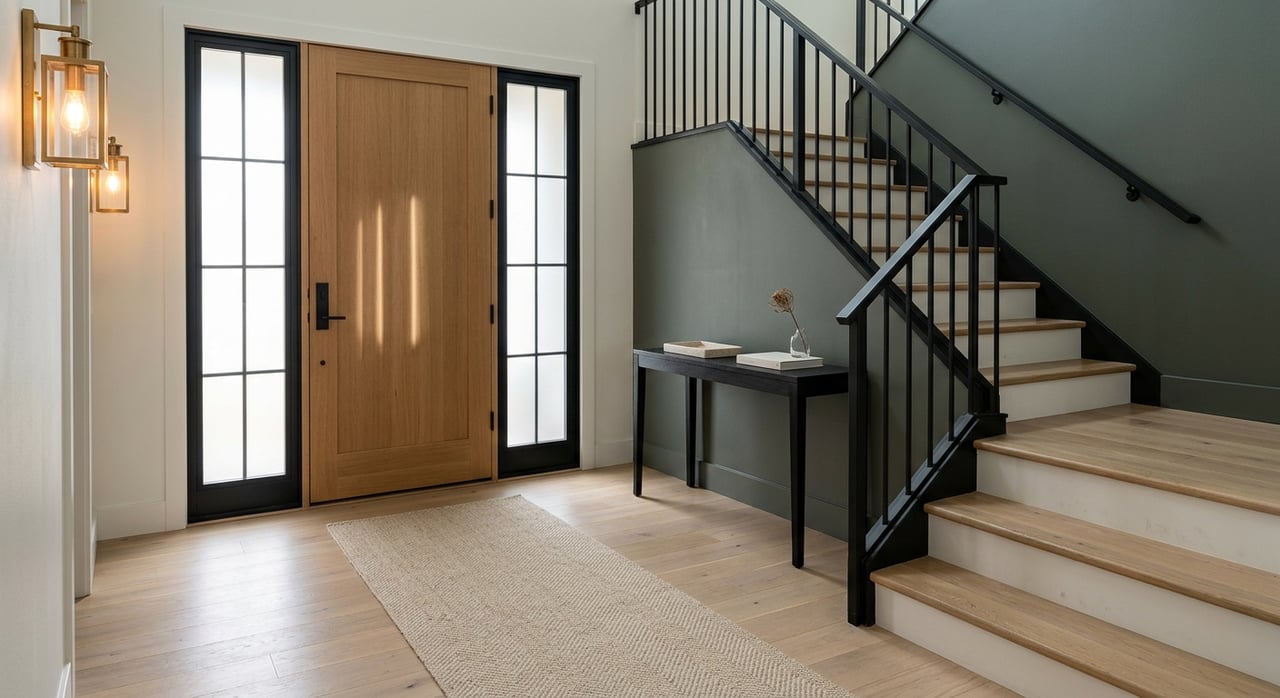
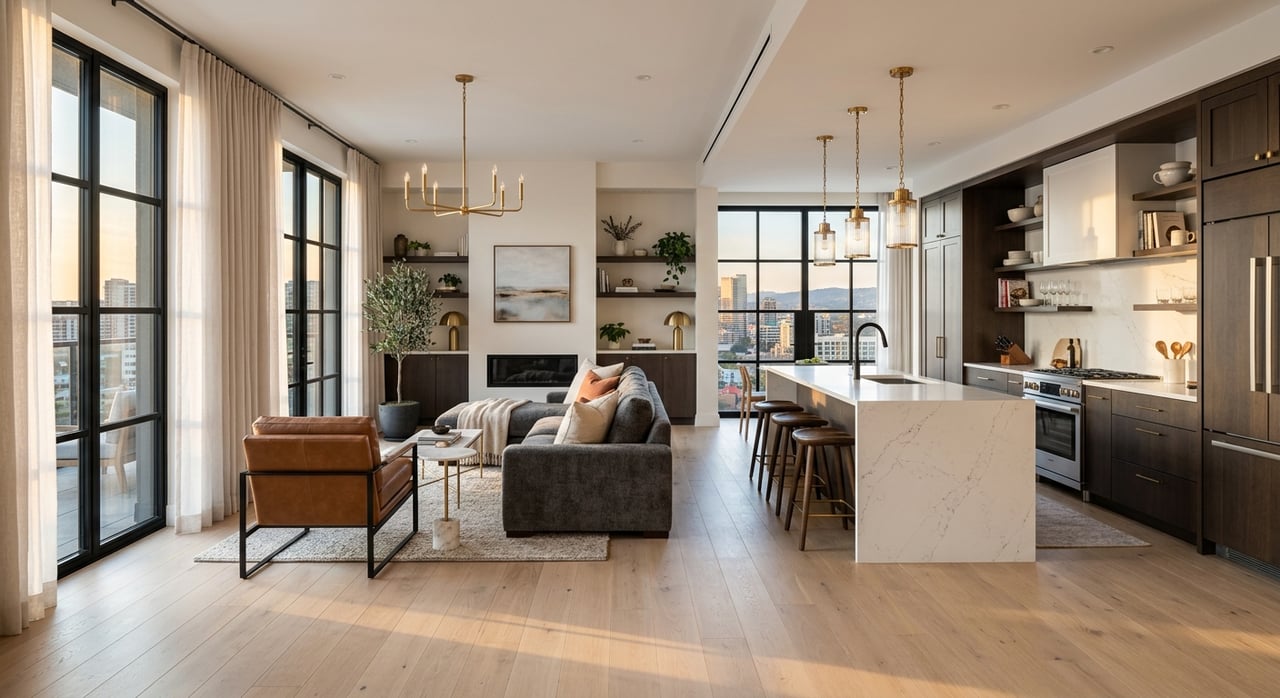
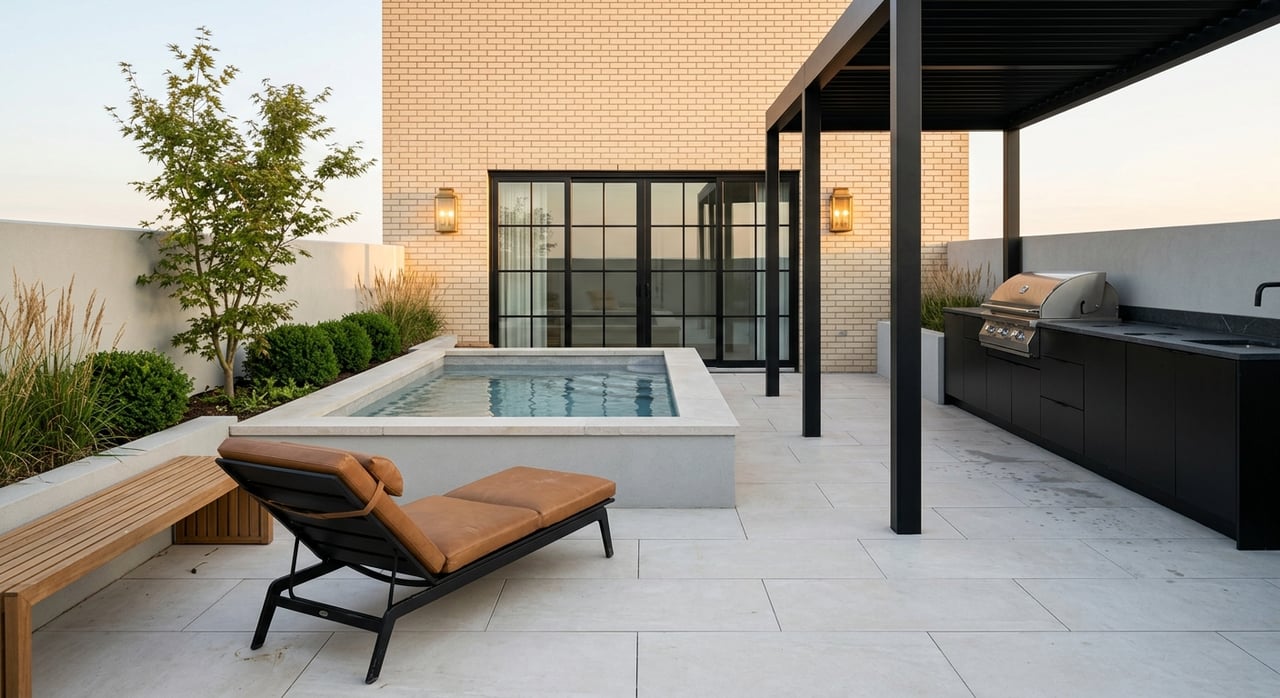
Many newer homes in the neighborhood are designed around how people live today. You will often see open main living areas, multi-level floor plans, flexible bonus rooms, private outdoor space, and garage parking.
A recent Martin Street example highlighted that pattern well. It was a 2020-built home with 3 bedrooms, 3 bathrooms, 2,291 square feet, 10-foot ceilings, two porches, a covered balcony, and a two-car garage.
For design-conscious buyers, that can be a strong draw. If you want a move-in-ready home with a polished layout and fewer immediate projects, new construction often checks those boxes.
New construction usually offers lower near-term maintenance risk. Systems, roofing, windows, and major components are newer, which can reduce the chance of big repair surprises right after closing.
It can also offer more square footage for the headline price. In this part of Nashville, that sometimes means a larger townhome with more bathrooms, garage space, or work-from-home flexibility than an older renovated cottage at a similar price point.
For buyers who care about clean finishes and efficient use of space, that can be a practical advantage. And for those who value design-forward living, newer homes often deliver the crisp, turnkey feel that is hard to replicate in older stock.
New does not mean perfect. The FTC notes that new-home warranties do not cover every out-of-pocket cost tied to a defect, and they may exclude certain items such as appliances or small cosmetic cracking.
That is why an independent inspection still matters. The CFPB also recommends a home inspection for buyers, and inspection contingencies can help you negotiate repairs or walk away if major issues surface.
You should also review permit history through Metro Nashville. Since the city has a permit pathway for new construction, checking that record can give you more confidence in how the project was executed.
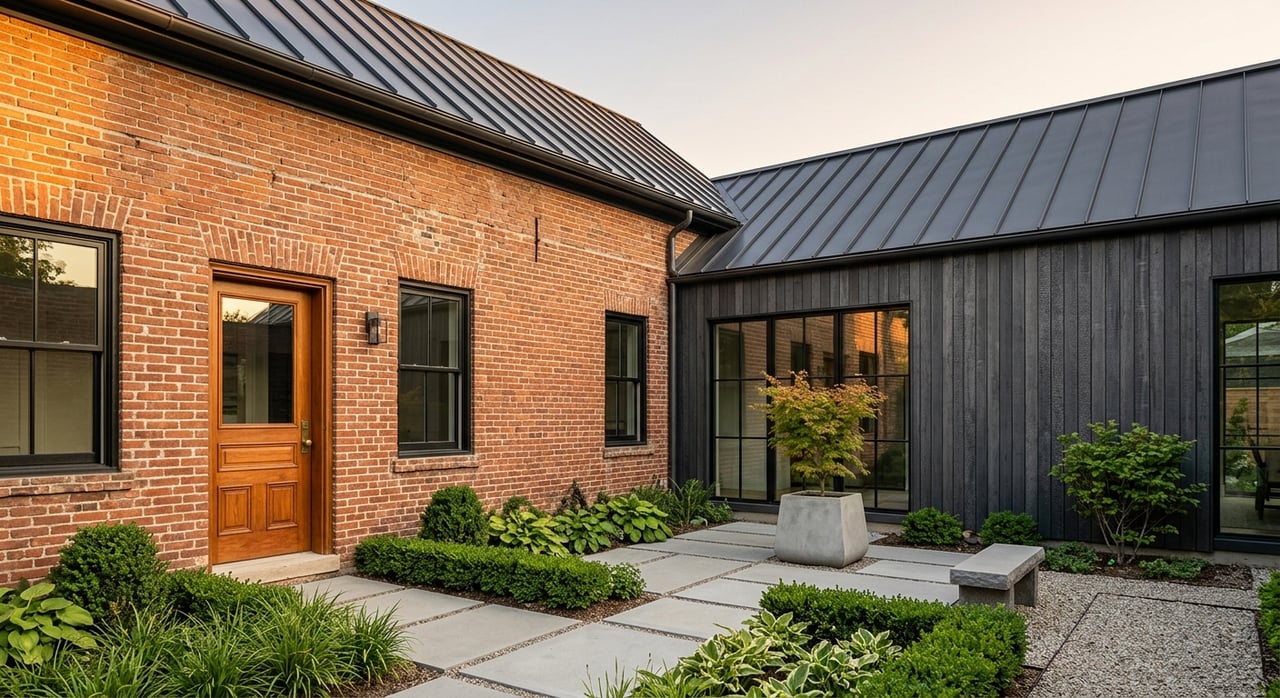
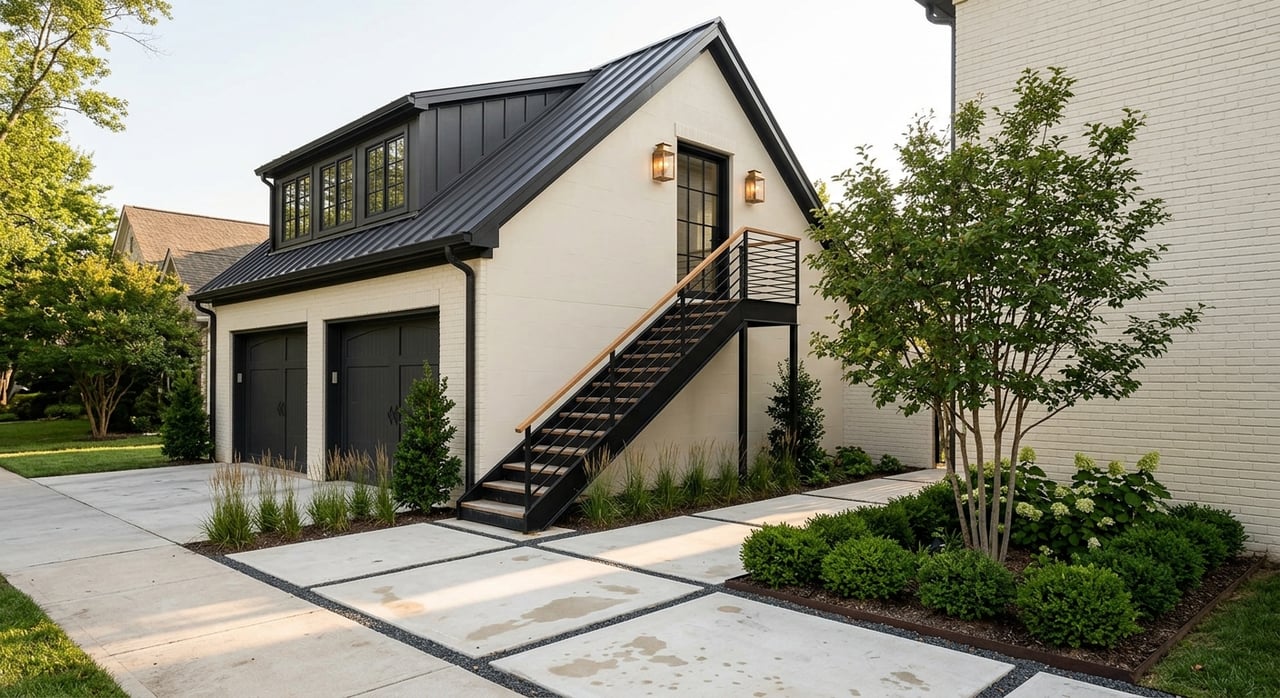
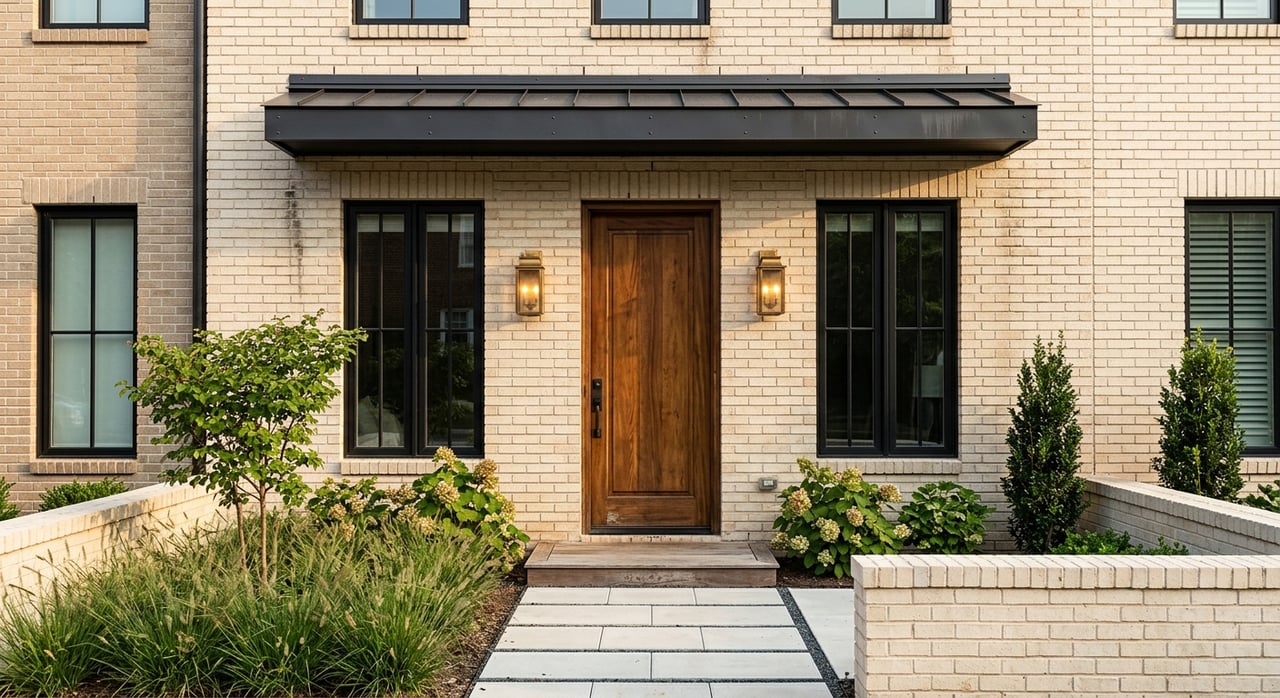
Renovated homes in Wedgewood-Houston usually come from the area’s older housing stock. These homes often preserve a more traditional detached-house feel, with established street presence and lot patterns that some buyers find more appealing than newer infill forms.
A recent Wedgewood Avenue example reflected that profile. It was a 1972-built cottage that had been fully remodeled into a 2-bedroom, 2-bath home with 1,235 square feet.
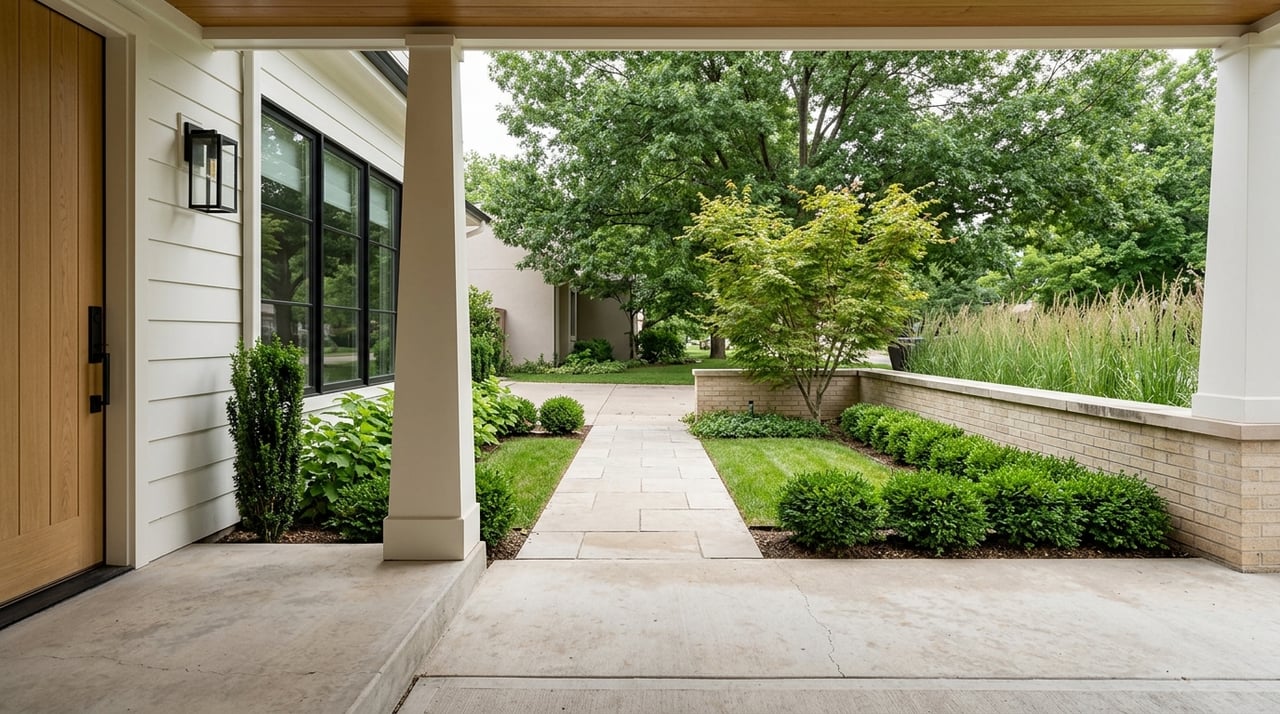
That is a common renovated-home story in the neighborhood. You may get an older shell, updated interior finishes, and a central location, often with a yard or a more classic residential feel.
Character is a big part of the appeal. Even when the interior has been substantially updated, renovated homes can still offer a sense of individuality that feels tied to the original neighborhood fabric.
Lot value can also be a major factor. In Wedgewood-Houston, some buyers are willing to pay more for a smaller remodeled home if it offers a strong lot, outdoor space, or a detached format that feels less compressed than a townhome.
That pattern showed up clearly in current examples. A remodeled Wedgewood Avenue home sold for $807,500, or about $654 per square foot, while the Martin Street newer home was listed at $795,000 for 2,291 square feet, or about $347 per square foot.
That does not mean renovated homes are always more expensive per square foot, but it does show how strongly buyers can value lot feel, location, and character in this neighborhood.
Renovated homes usually require more diligence. If a home was built before 1978, lead-based paint is a real consideration, and the EPA says many U.S. homes from that era still contain some lead-based paint.
If renovation work disturbed painted surfaces, you will want to understand how the work was handled. You should also verify permit history with Metro Nashville, because renovations and additions are part of the local building permit process.
Older homes can also carry hidden-condition risk beyond what is visible in listing photos. Updated kitchens and bathrooms can look great, but your inspection should help you understand the condition of structural components, electrical, plumbing, and other systems.
In Wedgewood-Houston, the choice usually comes down to design certainty versus character and lot appeal. Both can be great options when the home is well executed, but they serve different buyer priorities.
If you want a simpler comparison, start by asking yourself what you care about most on day one. Are you paying for finish consistency and lower near-term maintenance, or are you paying for lot feel, established streetscape, and a more classic detached-home experience?
In Wedgewood-Houston, headline price alone will not tell you enough. A smaller renovated cottage and a larger newer townhome may sit at similar price points, but the value story can be very different.
That is why it helps to compare:
In a more balanced Nashville market, you may have more room to make that comparison carefully. That can work in your favor, especially in a neighborhood where design, product type, and price per square foot do not always move in lockstep.
Wedgewood-Houston is one of those Nashville neighborhoods where both options can make sense. New construction often brings cleaner execution, modern layouts, and a more turnkey experience. Renovated homes often bring lot value, personality, and a detached feel that many buyers still want.
The best choice is the one that matches how you live and what you want your money to do. If you value design, efficiency, and a polished move-in-ready product, newer homes may stand out. If you care more about lot presence, character, and established residential feel, a strong renovation may be worth the premium.
If you want help comparing specific homes in Wedgewood-Houston, pricing the tradeoffs, or spotting the design and build details that matter most, Beth Dodd can help you evaluate your options with a local, design-forward perspective.
A Proven Dealmaker Combining Design Expertise, Meticulous Execution, Financial Insight and Trusted Partnership Throughout Greater Nashville.