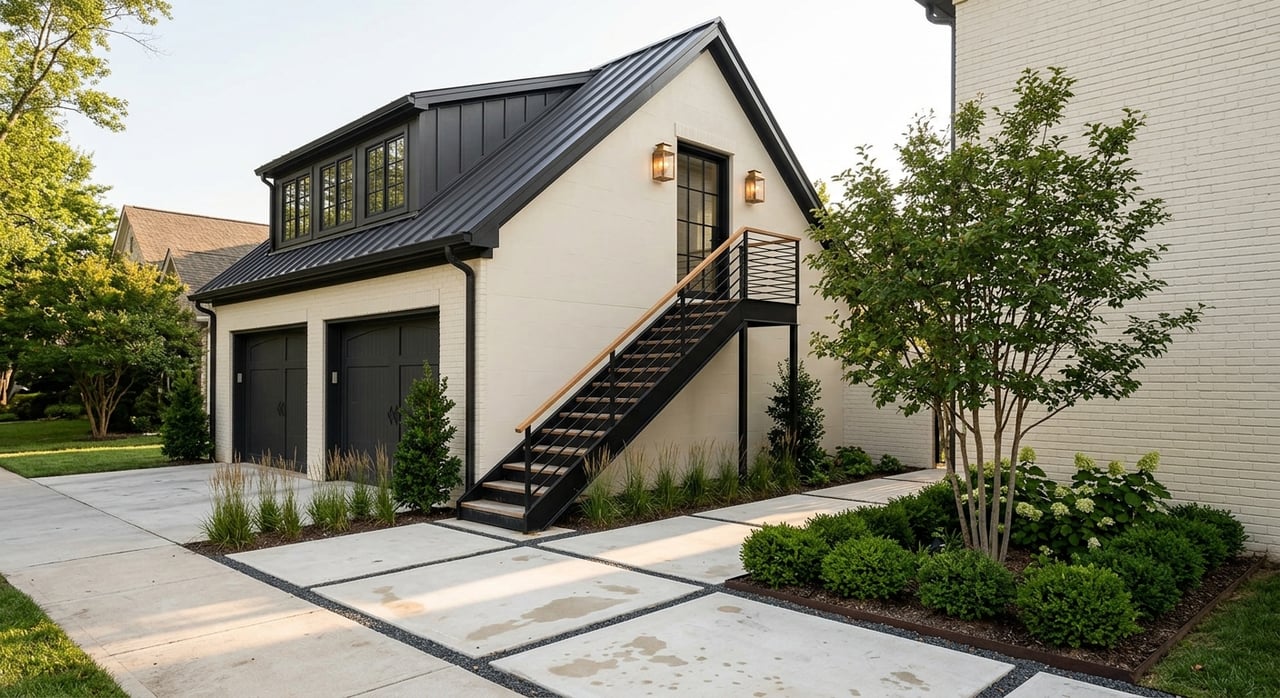
Edgehill Nashville Creative Living: A Neighborhood Guide
June 25, 2026
June 25, 2026
If you want a Nashville neighborhood that feels creative without trying too hard, Edgehill deserves a closer look. This is a place where historic identity, nearby studio culture, local shops, and everyday community spaces all sit close together. If you are drawn to design, flexibility, and city living with personality, Edgehill offers a lot to consider. Let’s dive in.
Edgehill is generally understood as the area just south of downtown Nashville, near the Gulch, Music Row, Belmont University, and Vanderbilt University. Metro Nashville’s 2024 planning study describes it as a historic urban center for the African American community that was deeply affected by urban renewal. That history still shapes how the neighborhood is discussed and planned today.
What makes Edgehill stand out is not one big attraction. It is the combination of historic memory, creative energy, and daily-use places that give the area its texture. You can feel that in the mix of homes, civic spaces, and small businesses that support day-to-day life.
Metro’s long-range vision for Edgehill also helps explain its appeal. The plan focuses on preserving historic and mixed-income character, supporting mixed-use growth along key corridors, and reconnecting open spaces as neighborhood amenities. In plain terms, Edgehill is evolving, but the goal is to keep its identity intact while making room for thoughtful change.
Edgehill’s creative reputation is closely tied to its location next to Music Row. Visit Nashville describes Music Row as the heart of the city’s entertainment industry, with recording studios embedded in homes and buildings. That adjacency gives Edgehill a creative, music-adjacent feel even though it is not a large entertainment district itself.
That distinction matters if you are choosing a place to live. Edgehill tends to offer a more grounded version of urban creativity, with neighborhood-scale experiences instead of nonstop activity. For many buyers, that balance is a major draw.
You are not just buying proximity to downtown. You are buying access to a part of Nashville where creative work, historic character, and everyday living overlap in a way that feels natural.
The title of this neighborhood story really comes to life in the details. Edgehill supports a mix of specialty coffee, dining, and design-minded retail that fits the area’s scale. Current business listings point to places like OSA Coffee Roasters on Edgehill Avenue, Egghill in Edgehill Village, Sadie’s in Edgehill Village, and Bella Napoli on Villa Place.
Villa Place also adds to the area’s design-forward feel. Billy Reid and Framebridge both have locations there, reinforcing the idea that Edgehill works well for people who enjoy curated retail and interiors-minded shopping. It is the kind of setting where errands can feel a little more inspiring.
That local mix shapes how a day in Edgehill can unfold. You might grab coffee, meet a friend for breakfast, stop by a retail shop, and still feel like you are in a neighborhood instead of a commercial strip. For buyers who value lifestyle as much as square footage, that matters.
Some neighborhoods reveal themselves on the main roads. Edgehill also asks you to notice the side streets. Metro describes the area as one that has seen major redevelopment in recent years, but it is still anchored by older residential forms and a strong sense of place.
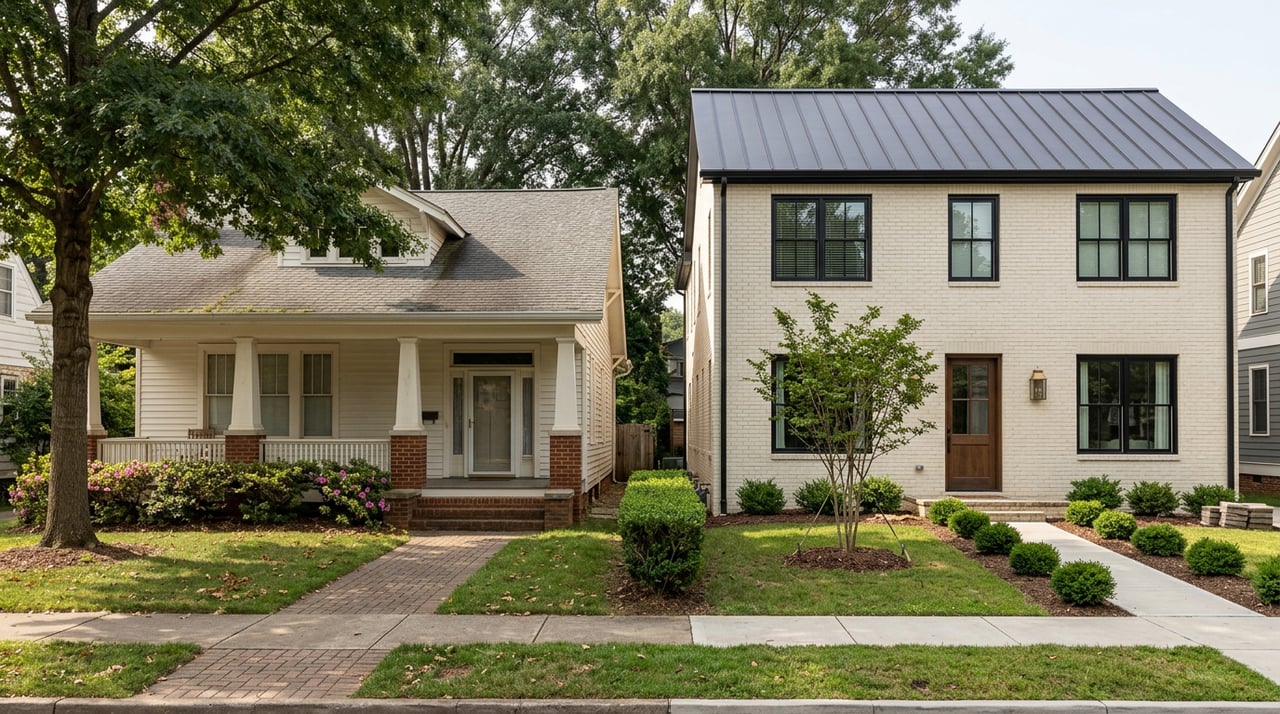
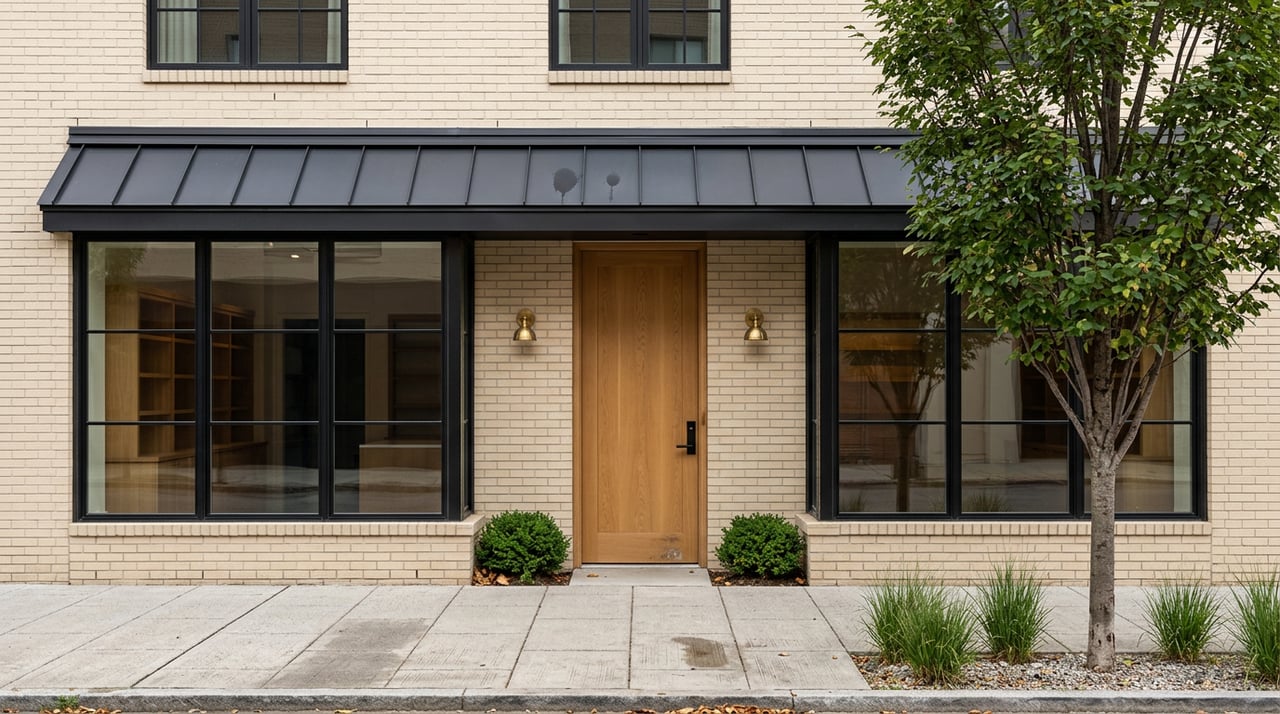
Official overlay materials reference one-, one-and-a-half-, and two-story houses, with styles such as Craftsman, English cottage, and Queen Anne. That mix gives parts of Edgehill a smaller-scale, layered feel that contrasts nicely with nearby high-growth districts. It is one reason the neighborhood can feel personal and visually interesting.
If you are design-conscious, side streets often tell you more than listing photos alone. They show how homes sit on their lots, how older forms relate to newer infill, and whether a block feels tucked away or connected. In Edgehill, those details are part of the appeal.
Edgehill is not a one-product neighborhood, and that is a strength. Metro’s planning documents point to a mixed housing stock that includes apartment communities, studio apartments, historic houses, and newer mixed-use or infill development along corridors. That variety opens the door for different ways of living.
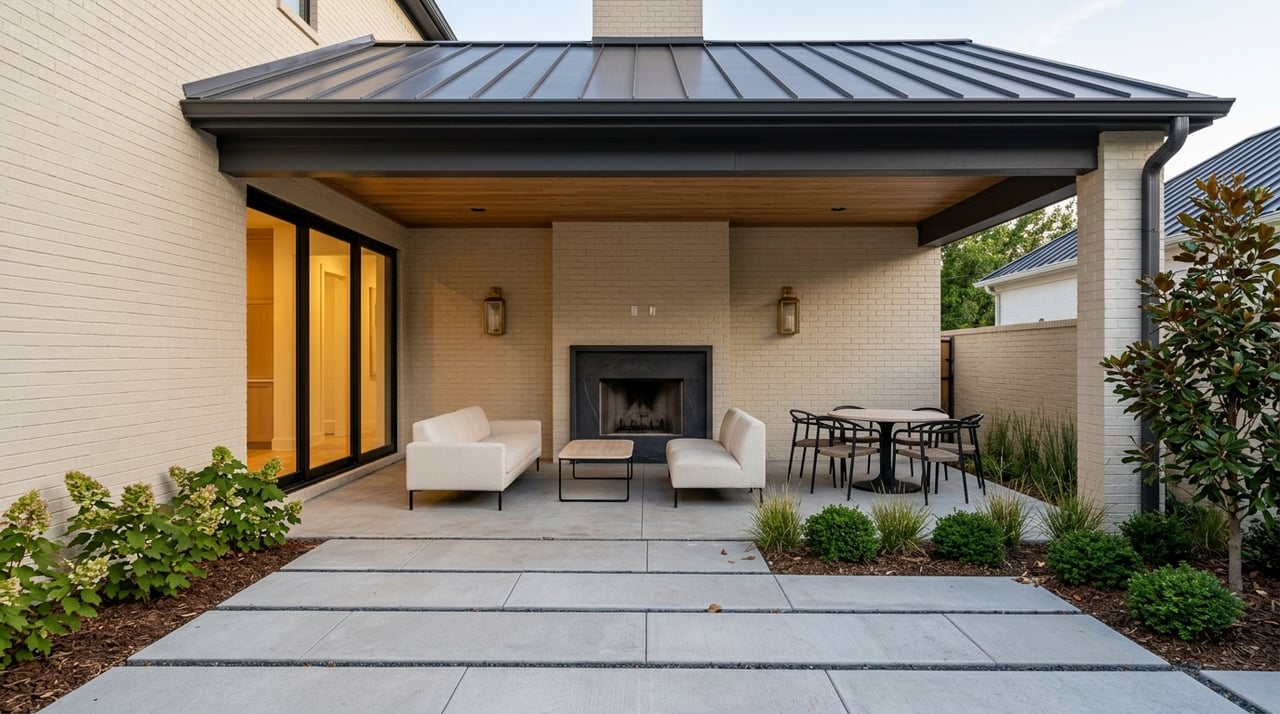
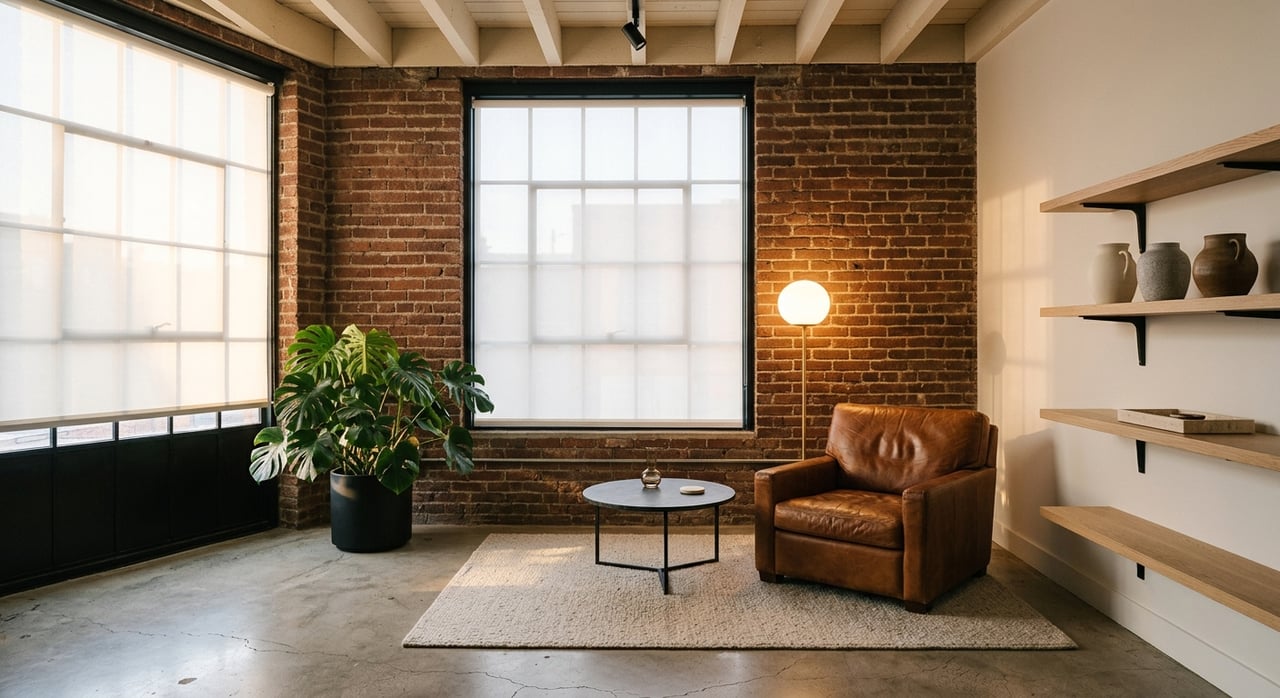
For creative buyers, the biggest opportunity may be flexibility. Older houses can offer rooms that work well as studios, offices, reading spaces, or display areas. Apartments and newer infill can make sense if you want a lower-maintenance setup with enough room to work from home comfortably.
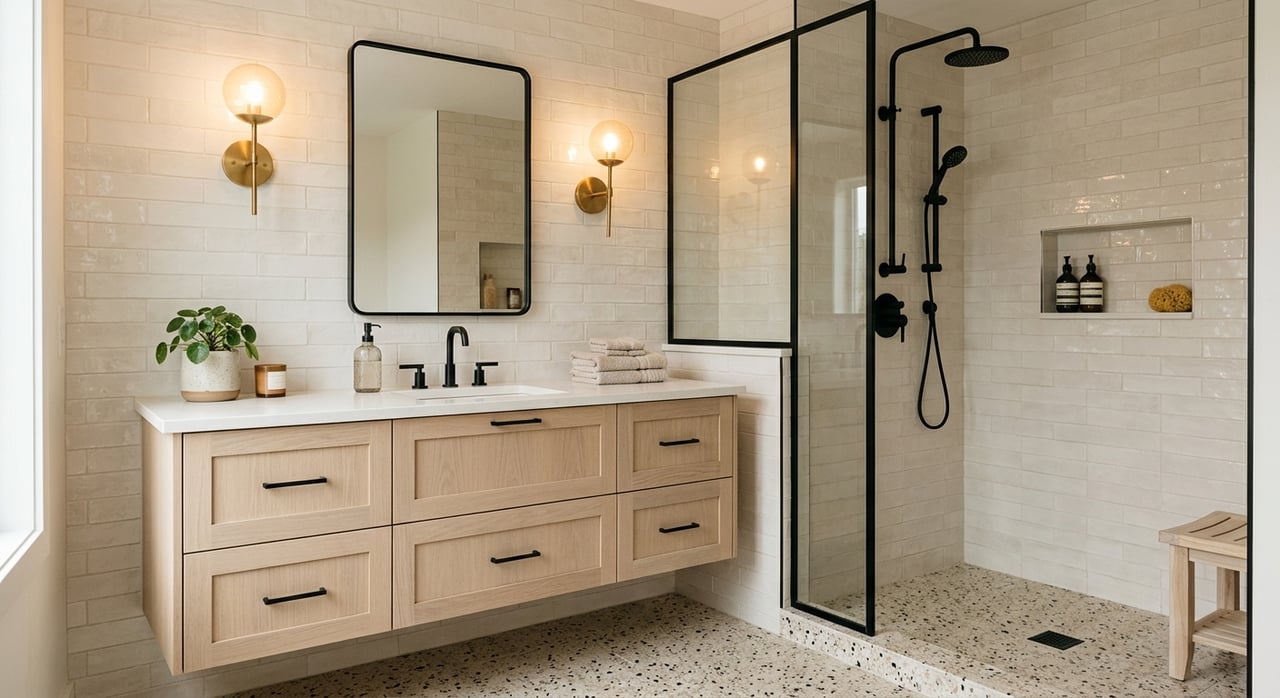
This is where design matters. In a neighborhood like Edgehill, buyers often benefit from looking beyond bedroom count and focusing on how a home functions. Daylight, storage, adaptable layouts, and spaces that can shift with your needs can matter just as much as size.
Edgehill’s historic character is part of what gives the area depth, but it can also affect renovation plans. Nashville’s Historic Zoning Commission includes Edgehill among its turn-of-the-20th-century neighborhood conservation overlay districts. The purpose of that guidance is to conserve neighborhood character without changing a property’s base use.
If you are considering exterior changes, review may matter even when you are not changing how the property is used. That does not make a project impossible, but it does mean your planning process should be thoughtful from the start. Buyers who understand that early are usually in a better position to make smart decisions.
For design-minded homeowners, this can actually be a positive. Clear character guidance can help protect the look and feel that made the neighborhood attractive in the first place.
Creative living is not only about what happens inside your home. It is also about the places you return to again and again. In Edgehill, community spaces play a big role in daily life.
The Edgehill branch of Nashville Public Library is a strong example. Its official branch information highlights meeting rooms, public computers, bike racks, Wi-Fi, a seed exchange, and free parking. When the branch opened in 1967, it was described as intentionally human-scale rather than monumental, which feels very consistent with the neighborhood itself.
Metro’s study area also includes Rose Park and Reservoir Park, which support the plan’s goal of reconnecting open spaces into a stronger amenity network. These are the kinds of places that make a neighborhood feel livable, not just convenient.
Edgehill UMC adds another layer. Its official site describes a congregation rooted in justice, and its calendar includes concerts, author talks, and other community programming. Public art also contributes to the neighborhood’s atmosphere, including the For Edgehill mural created in collaboration with Belmont’s Watkins College of Art, Metro Arts, and Metro Parks.
If your ideal neighborhood supports shorter trips and multiple ways to move through your day, Edgehill checks that box. Metro’s Edgehill and Chestnut bikeway project is designed to add protected bike lanes and safer connections to neighborhoods, transit stops, schools, and parks. That is a meaningful quality-of-life detail for people who value options beyond driving.
The 12th Avenue South complete-street project tells a similar story. Metro describes that corridor as a major route for drivers, transit riders, and bicyclists, with destinations that include retail, churches, Carter Lawrence Elementary School, and the Edgehill Public Library. These projects point to a neighborhood that is being shaped for everyday access, not just pass-through traffic.
For many buyers, that translates into a more usable urban lifestyle. You may still drive plenty, but it is helpful to live somewhere that also supports walking, biking, and quick neighborhood stops.
Edgehill tends to fit buyers who want a city neighborhood with layers. It can appeal to people who like historic context, appreciate nearby creative energy, and want homes that can adapt to modern living. It also works well for buyers who see design as part of daily quality of life, not just decoration.
You may be especially drawn to Edgehill if you want:
That last point is important. Metro says Edgehill has seen unprecedented redevelopment in recent years, so this is not a static neighborhood story. If you are buying here, you are stepping into a place with momentum as well as memory.
In Edgehill, the best opportunities are often in the details. One home may offer historic charm and a flexible extra room. Another may deliver a cleaner, lower-maintenance layout near a corridor with shops and services. The right fit depends on how you live and what kind of space supports that best.
This is also a neighborhood where design perspective helps. A buyer who can recognize layout potential, storage solutions, natural light, and future usability may see more value than someone focused only on finishes. In a mixed neighborhood like Edgehill, that kind of clarity can make your search much more effective.
If you are exploring Edgehill, it helps to work with someone who understands both neighborhood context and how a property can function day to day. When you can evaluate a home through both a market lens and a design lens, you are in a stronger position to choose well.
If you are thinking about buying or selling in Edgehill, Beth Dodd brings a design-forward, practical perspective that can help you evaluate what fits your lifestyle and goals.
A Proven Dealmaker Combining Design Expertise, Meticulous Execution, Financial Insight and Trusted Partnership Throughout Greater Nashville.