
Your Edgehill New Construction Guide to Buying Smart
January 1, 2026
January 1, 2026
Thinking about a brand-new townhome or infill home in Edgehill but not sure where to start? You are not alone. New construction can feel complex, especially with urban sites, multiple inspections, and builder timelines to track. In this guide, you will learn how the Edgehill process works, what to look for in contracts and selections, how inspections and warranties protect you, and how to keep your purchase on schedule. Let’s dive in.
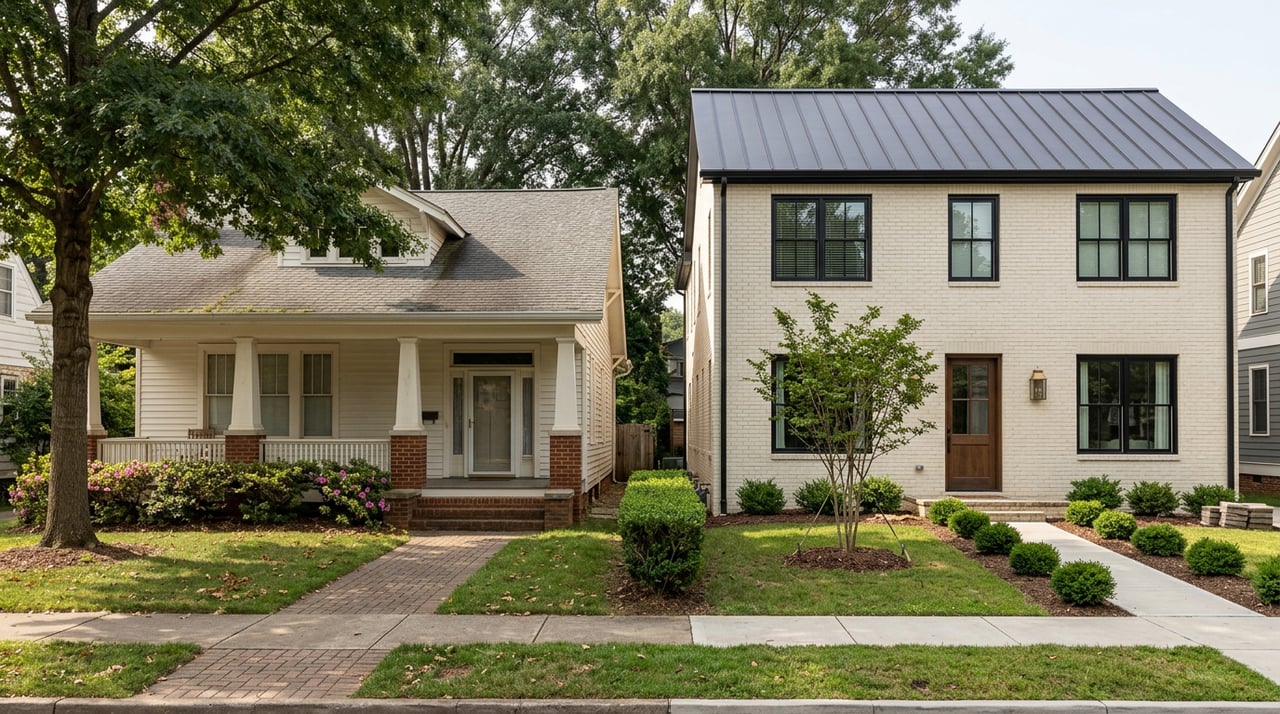
Edgehill is an urban neighborhood with a lot of infill building. You will see two main options: attached townhomes on small lots and single-family homes built on subdivided or replaced lots. You can buy a builder’s spec home that is finished or nearly finished, or you can choose a custom or semi-custom build where you select the plan and finishes.
The urban setting shapes the process. Smaller lots and close neighbors mean extra coordination for site work, tree protection, and right-of-way access. Depending on the address, your project may involve Metro Nashville planning review, building codes inspections, and sometimes overlay or design review. Townhome projects often have HOAs and shared elements such as common walls and drives, which add governing documents and long-term maintenance costs to review.
Every project is different, but most Edgehill townhome or infill builds follow a similar flow. Weather, permitting backlogs, and utility tie-ins can extend timelines.
This stage can take weeks to months. It includes design, site due diligence, and planning. The builder applies for permits with Metro Nashville Planning and Building Codes. If your build is semi-custom, your selection windows are scheduled here. Variances or overlay reviews can add review cycles.
Expect site prep, grading, utility connections, and core structure work. In tight urban sites, staging and special equipment can slow progress for safety and access.
Mechanical, electrical, and plumbing rough-ins happen, followed by insulation and drywall. Municipal rough inspections occur during this phase.
Cabinetry, flooring, trim, paint, and final hookups get completed. Spec homes move quicker if finishes are already chosen.
The builder schedules final municipal inspections. A Certificate of Occupancy is typically required before closing, and your lender may order a final inspection or appraisal. Most single townhome units take about 6 to 12 months from permit to CO. Custom projects may take longer.
Builders usually require earnest money for a spec home and a larger deposit for a custom build. Confirm who holds funds in escrow and the events that allow refunds. For staged payments, confirm how inspections tie to disbursements if a construction loan is used.
Selections have firm deadlines. Missing a window often locks in the builder’s default or store-choice option. Keep written records of each choice, including color boards and spec sheets. For long-lead items such as appliances or custom cabinets, confirm who orders, lead times, and backup options if supply shifts.
Appraisals for new construction often review plans, specifications, and comparable new sales. Rate lock timing can be tricky on longer builds. Ask your lender about extended locks, float-down options, and costs.
Most lenders require a CO or final inspection prior to funding the permanent loan. If your contract contemplates closing prior to CO, ask your lender about temporary occupancy requirements and whether this is allowed.
Townhome buyers should review the HOA’s CC&Rs, bylaws, budget, and any reserve study. Confirm the builder’s transitional control period and how monthly dues are set. Look for clarity on shared drive and cross-access maintenance, common walls, and roof responsibilities.
Ask how insurance is structured for attached units and what portion falls to the HOA versus the owner. Review any rules that affect exterior changes, parking, or maintenance. Confirm whether the HOA anticipates special assessments and how they decide on capital projects.
Metro Nashville’s building and codes department inspects the work at staged points such as foundation, rough-in, insulation, and final. A CO or temporary CO is typically needed to occupy the home. Before closing, verify that the builder’s permit records and final inspection closeout are complete for your address.
Plan independent inspections at key stages for your protection:
For infill sites with retaining walls or prior demolition, a structural engineer review can be helpful. Ask for access windows in your contract so your inspector can enter the site safely.
Your final walkthrough produces a punch list of items for the builder to complete or correct. Photograph each item, include dates, and ensure the contract sets a timeframe for completion. If a spec home closes before every punch item is done, ask about an escrow holdback or a written agreement for completion with dates.
Typical new-home warranty structure in the U.S. includes a 1-year workmanship warranty, a 2-year systems warranty for HVAC, plumbing, and electrical, and up to a 10-year structural warranty, often with a third-party administrator. Ask which provider the builder uses and how to submit claims. Confirm response timelines, dispute resolution steps, and any subcontractor warranties that also apply.
Some areas in Davidson County have historic or design overlays that affect demolition, façade design, or new construction details. Verify the property’s status with Metro Nashville Planning. Urban infill can also trigger tree protection or mitigation rules. Ask if tree removal permits or mitigation plantings are required for your lot.
Confirm water, sewer, gas, and electric service availability. In constrained sites, tie-ins and lateral extensions can add time and cost. Sidewalks, curbs, or right-of-way improvements may be the builder’s responsibility. Clarify who performs and pays for these items.
New construction property tax assessments occur after completion. Check the Davidson County property assessor for timelines and how appeals work. Ask about any special assessments related to street, sewer, or neighborhood projects.
As part of your due diligence, confirm permit history and any outstanding code violations with Metro Nashville Building Codes. For townhomes, request recorded HOA documents and budgets. When in doubt, bring questions to the Tennessee Real Estate Commission or a local real estate attorney for contract clarity.
Use this quick list to stay organized:
Buying new construction in Edgehill is easier when you have a professional who understands urban infill, builder contracts, and the realities of selections, inspections, and timelines. With hands-on design-build development experience and brokerage expertise across central Nashville, you get clear guidance from the first walkthrough to the final punch list. If you want a streamlined process and confidence at each step, connect with Beth Dodd for a focused plan tailored to your goals.

A Proven Dealmaker Combining Design Expertise, Meticulous Execution, Financial Insight and Trusted Partnership Throughout Greater Nashville.